
Batch Cooking for Functions: Managing Production from Preparation to Service
Producing meals for a function, conference, school group or large hospitality booking requires more than increasing the quantity of ingredients. When dozens or hundreds of portions need to be ready at the right time, the kitchen must coordinate preparation, cooking, holding and service without losing control of quality or food safety.
Batch cooking can help professional kitchens manage this demand, particularly when some components can be prepared ahead of the service period. The key is to plan production around the menu, available equipment and timing of the event, rather than relying on the team to manage everything as orders approach.
Start With the Menu and Production Schedule
The menu determines much of the work that happens behind the scenes. Some dishes can be prepared in larger batches with relatively consistent results, while others depend on last-minute cooking or finishing to maintain their intended texture and presentation.
Before production begins, identify which components can be prepared ahead, which need to be cooked close to service and which require final assembly or finishing. This gives the kitchen a clearer picture of how much work needs to happen on the day and where equipment capacity may become a constraint.
A production schedule should work backwards from the service time. Allow for preparation, cooking, any required chilling, storage, reheating or regeneration, and final plating or dispatch. Build in enough time for handling and cleaning tasks, equipment changeovers and unexpected delays.
The schedule also needs to reflect the equipment available. If several menu items require the same oven or cooking range, their production times may compete with one another. Planning the order of cooking, identifying shared equipment and allocating tasks across the team can help avoid bottlenecks just when the kitchen is under the greatest pressure.
Make Better Use of Equipment Between Cooking and Service
Batch cooking is not only about producing more food at once. It is also about creating a workable sequence between cooking, safe storage and the point at which food is needed.
Where food is intended for later service, the kitchen needs a defined process for handling it after cooking. This may involve appropriate hot holding for food being served shortly afterwards, or rapid chilling and refrigerated storage when preparation is completed further in advance. Food handling, cooling, storage and reheating must follow the applicable food safety requirements and the kitchen's documented procedures.
A well-planned production schedule connects every stage, from the first batch to the final plate.
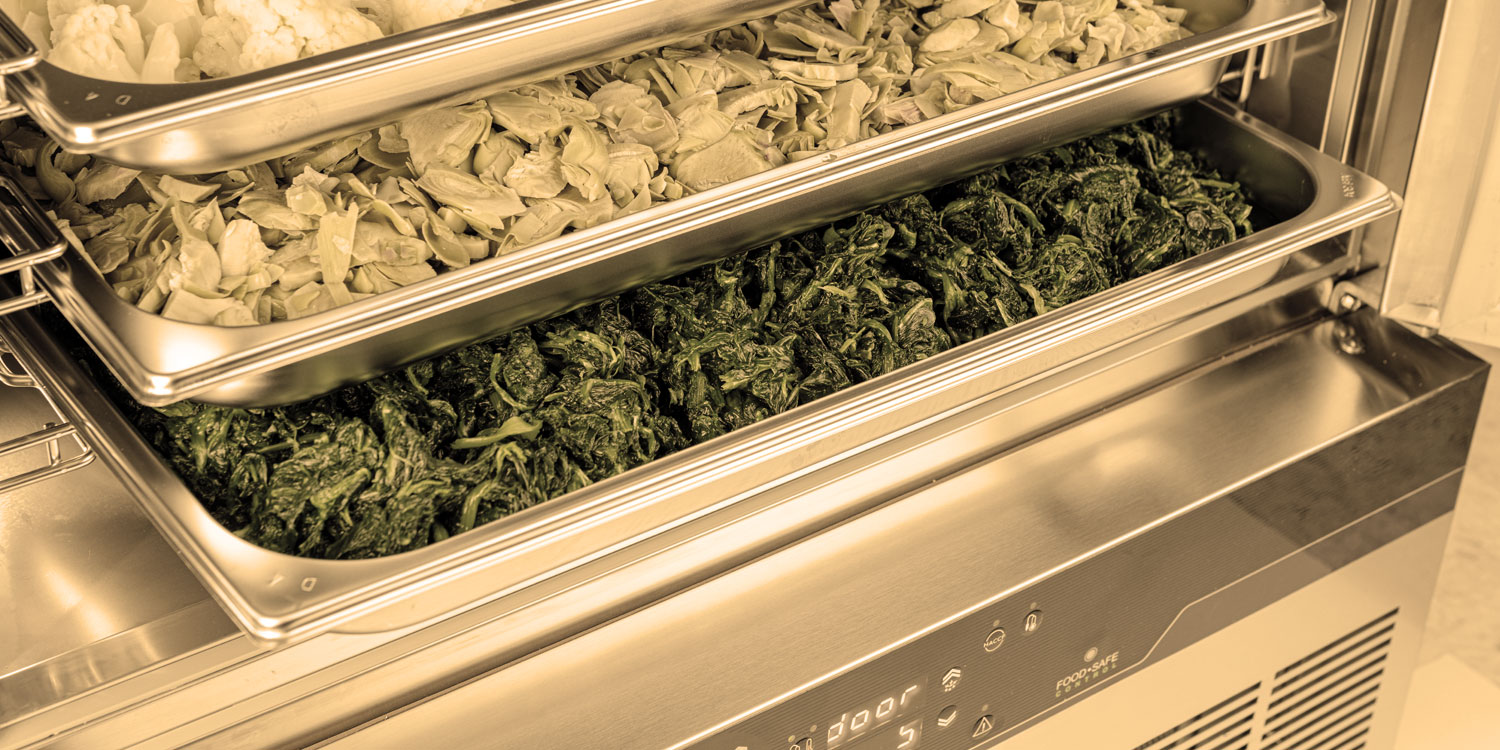
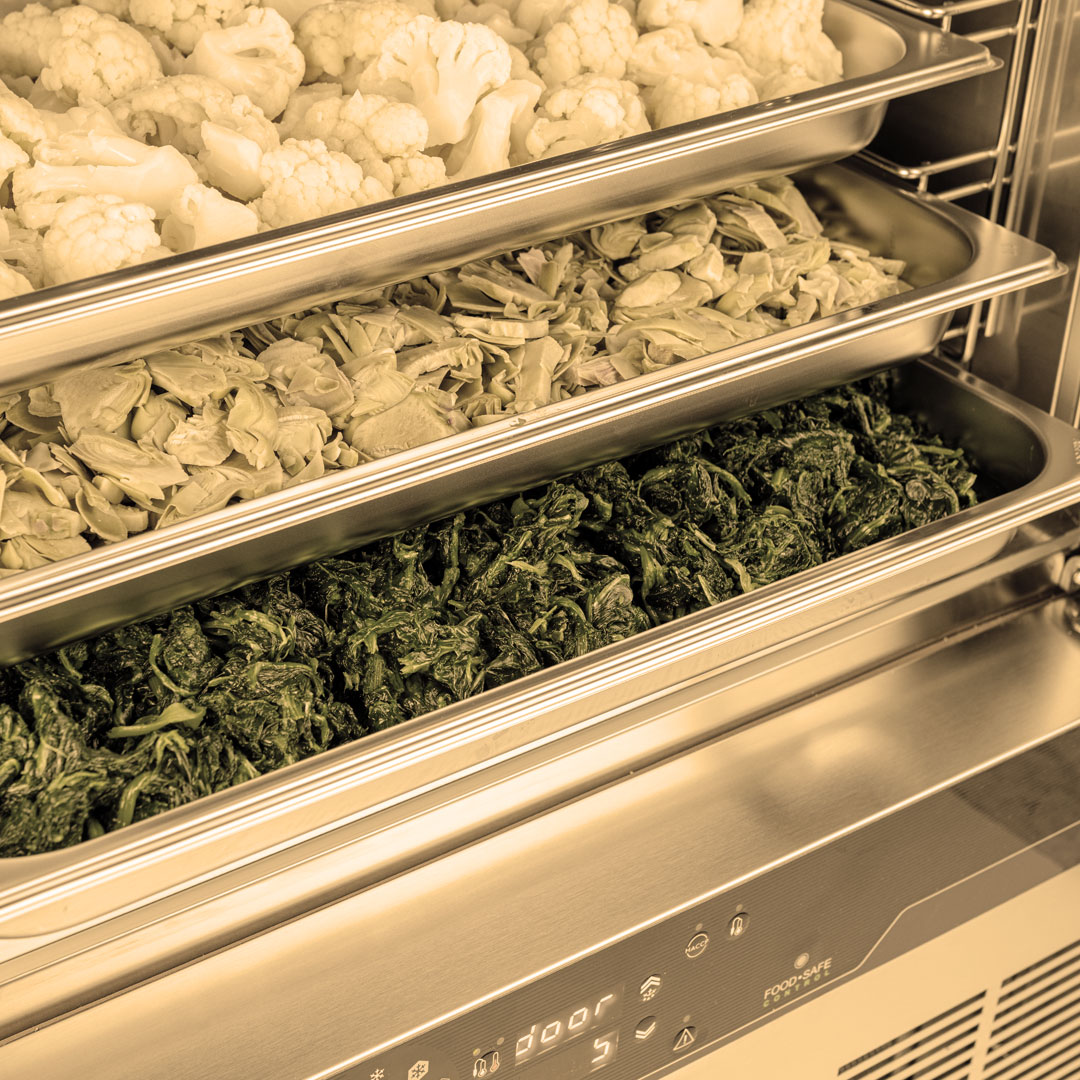
For kitchens preparing substantial quantities in advance, a commercial blast chiller can be an important part of the workflow. Electrolux Professional Crosswise blast chillers and freezers are designed to rapidly chill or freeze prepared food, with models and capacities suited to different production requirements. Features vary by model and include preset chilling cycles, a core temperature probe and automatic holding at the target temperature after a cycle.
The right capacity depends on the volume and type of food being produced, the size of the batches and how quickly the kitchen needs to process them. Equipment should be specified around the actual production plan, including the trays or containers used and the space available for loading and unloading.
A blast chiller does not replace safe food handling or appropriate refrigerated storage. It forms part of a controlled process that needs to be planned, monitored and followed consistently.
Build a Workflow the Team Can Repeat
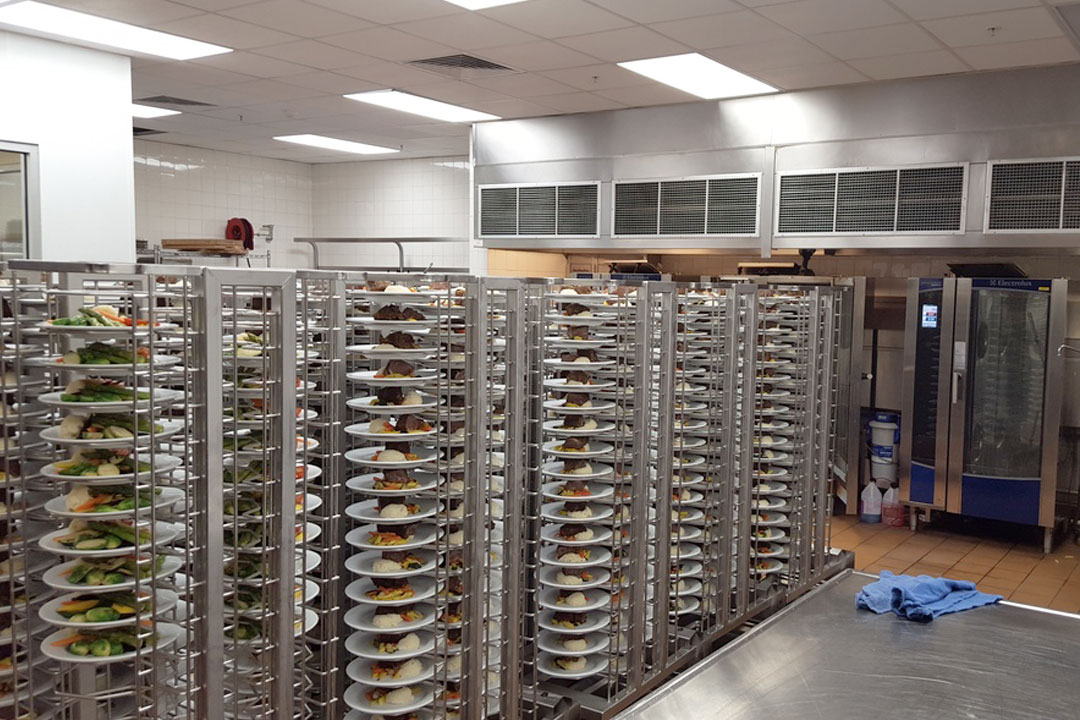
A production plan is only useful if the team can follow it during a busy shift. Clear responsibilities help staff understand who is preparing each component, which equipment they need and when each batch must be ready. Simple production sheets can record quantities, timings, storage requirements and any finishing steps needed before service.
It is also worth reviewing the workflow after major functions. Were batches ready when expected? Did a particular piece of equipment create a queue? Was there enough space to handle food safely between cooking and service? These observations can help refine future schedules and identify where additional capacity or a different equipment configuration may be needed.
For hotels, caterers, education facilities, healthcare kitchens and other high-volume foodservice operations, these considerations extend beyond individual events. A repeatable production workflow can support more consistent preparation across shifts and make better use of the kitchen's available resources.
Electrolux Professional offers equipment for different stages of commercial food production, including cooking and blast chilling. Eurotec Australia is the official Australian distributor of Electrolux Professional commercial kitchen equipment, supporting dealers, consultants and project professionals with access to product information and specification resources.
When planning a kitchen for function work or higher-volume production, it is worth considering the entire process rather than selecting each appliance in isolation. The aim is a practical workflow that connects preparation, cooking, storage and service around the needs of the operation.