
Keeping Warewashing Moving During Peak Service
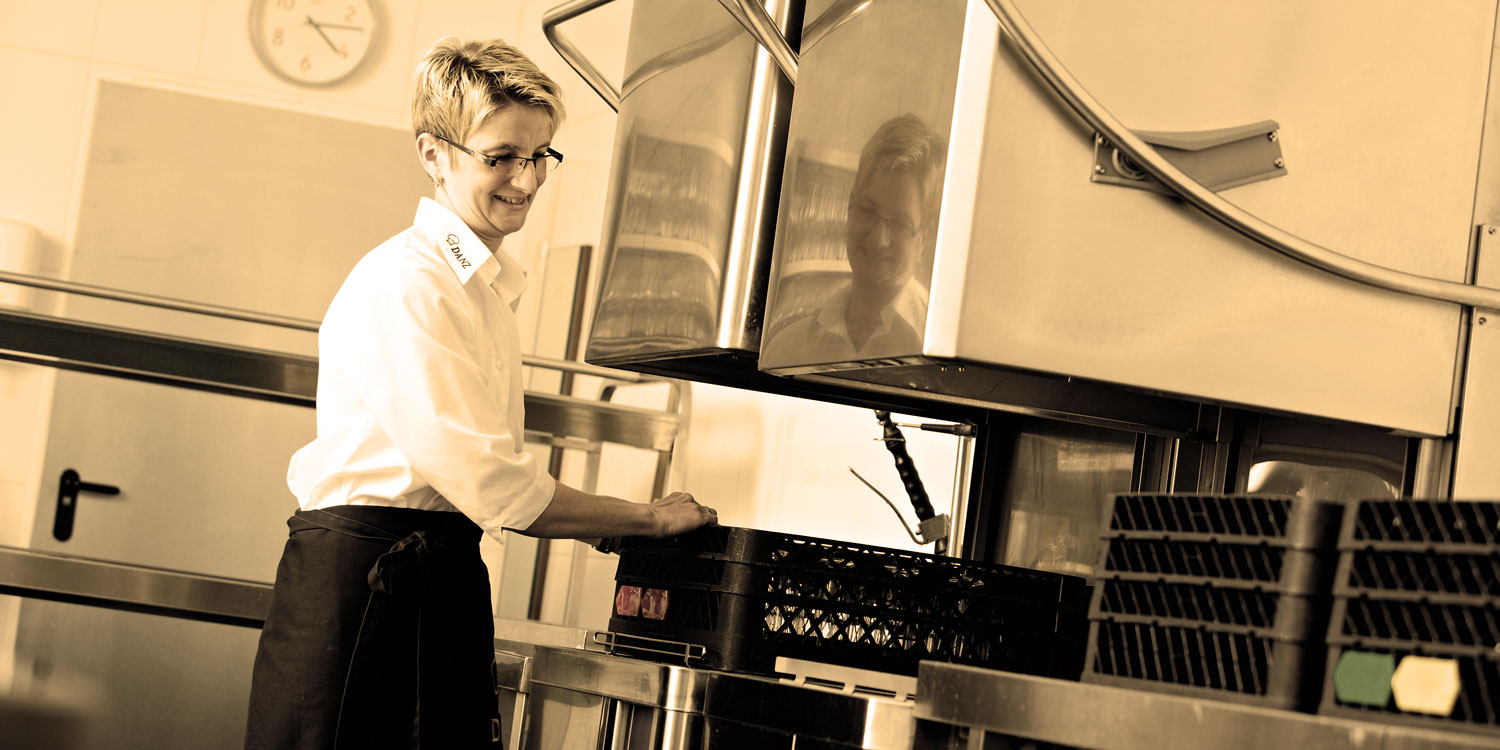
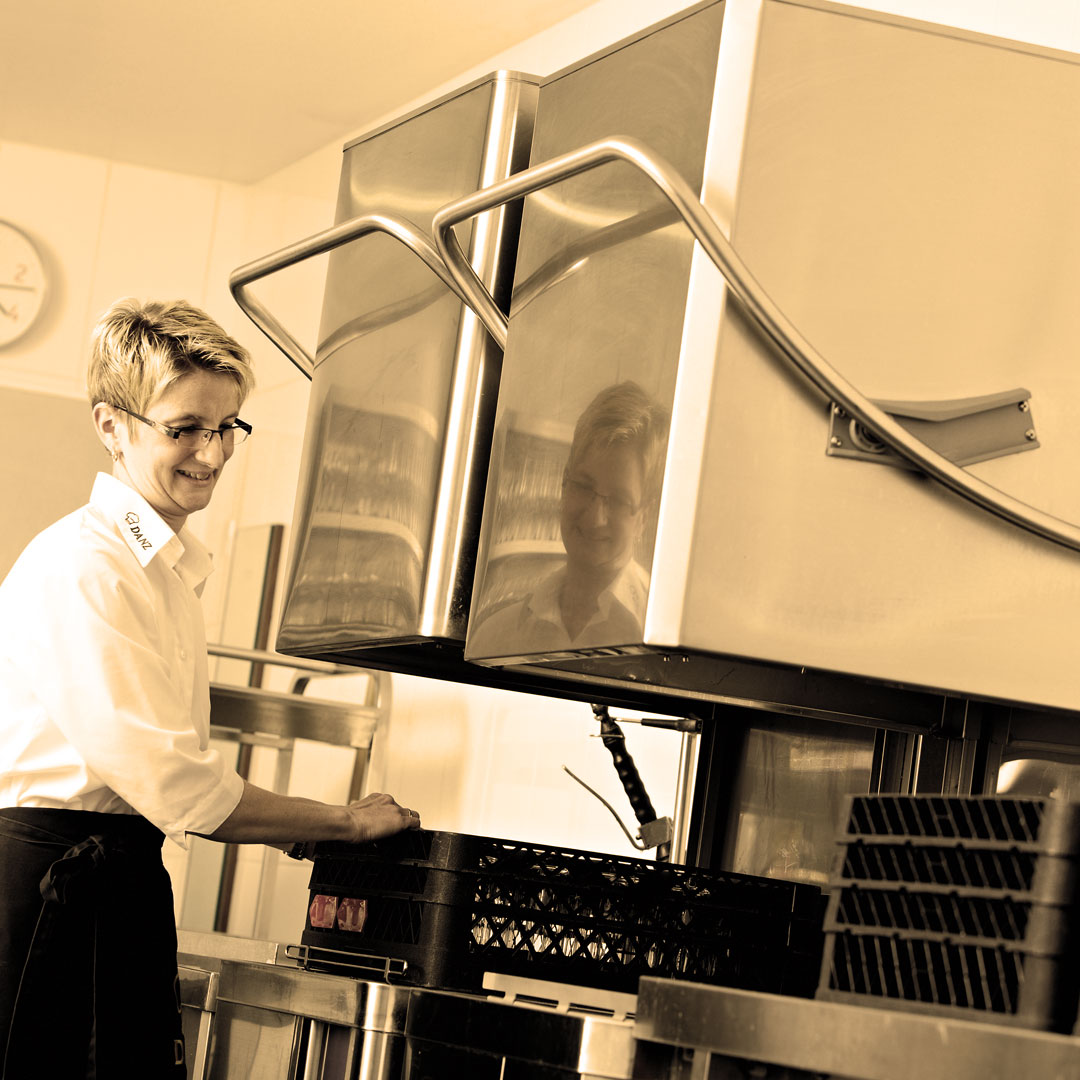
During a busy service, clean plates, glasses, cutlery and cookware need to be available when the kitchen and front-of-house teams need them. When used items begin accumulating faster than they can be washed, the pressure can quickly spread through the operation, affecting table turnover, staff movement and the pace of service.
Warewashing is often treated as a task that happens after food preparation and service. In practice, it is part of the same workflow. The capacity of the dishroom, the type of equipment installed and the way items move through the washing process can all influence how well a kitchen manages its busiest periods.
Understand Where the Bottlenecks Start
A warewashing bottleneck is not always caused by the dishwasher itself. Racks may be waiting to enter the machine because staff are still scraping and sorting items, while clean racks can build up on the other side if there is insufficient space for unloading and putting items away.
Observing the full process can help identify where delays begin. Consider how used items arrive at the dishroom, where they are scraped and sorted, how racks are loaded, and where clean items go after washing. If staff regularly need to move around one another or carry items back through the same space, the layout may be adding unnecessary work during peak periods.
The volume and type of items also matter. A café with a steady flow of cups and plates has different requirements from a hotel, large restaurant or institutional kitchen handling multiple services and substantial quantities of cookware. Glasses, utensils, trays and pots may also need different washing arrangements.
Understanding these demands helps establish whether the main issue is equipment capacity, the surrounding workflow or a combination of both. It also provides a more useful starting point when reviewing the dishroom than simply selecting a machine with a higher stated output.
Match Equipment Capacity to the Workflow
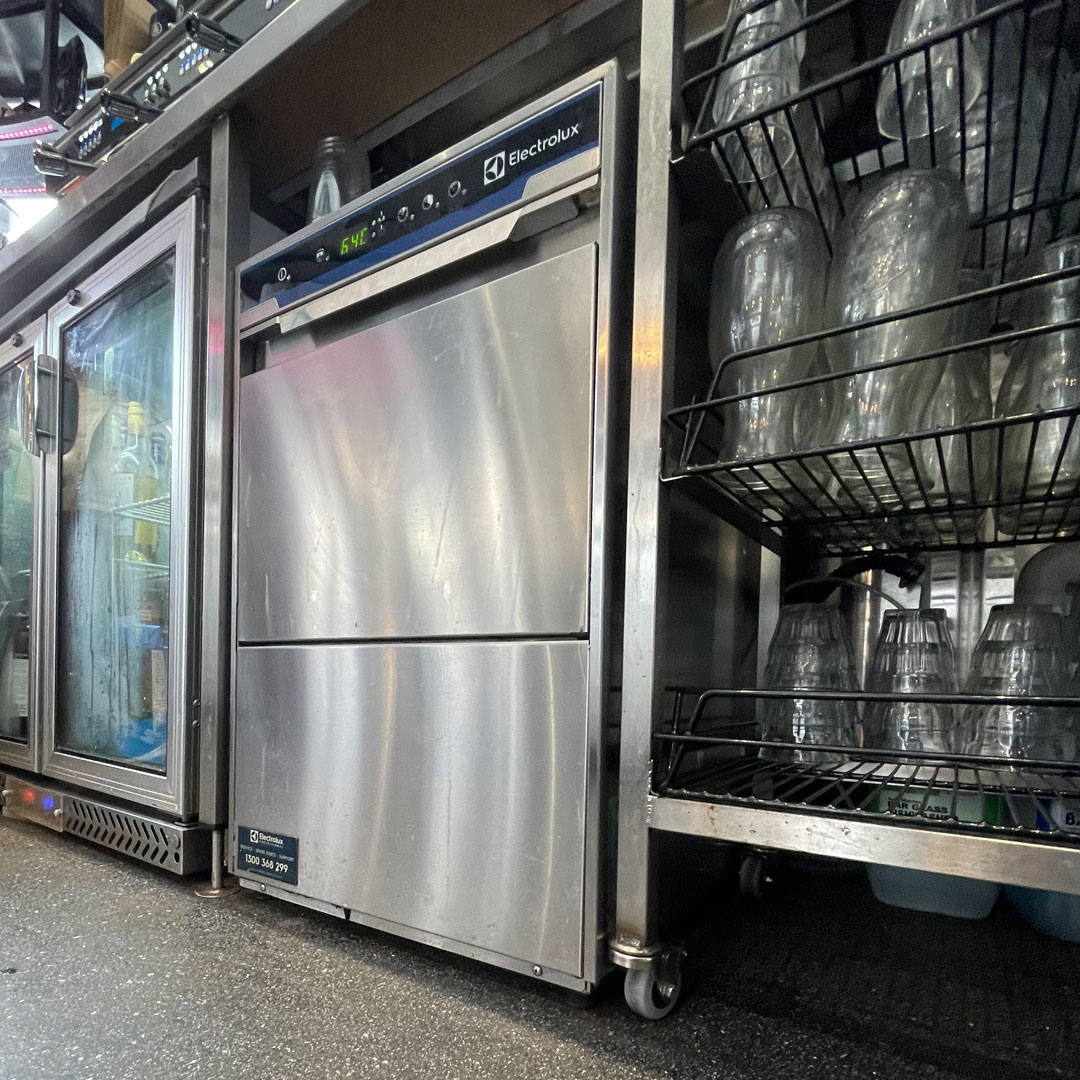
Commercial dishwashers are available in different configurations to suit different volumes, layouts and washing requirements. Undercounter machines can suit operations with more limited space or lower throughput, while hood-type pass-through models can support busier dishrooms by separating loading and unloading areas. Rack-type systems are designed for operations that need to process larger volumes of items.
The appropriate choice depends on the quantity and mix of items being washed, the available space, utilities, staffing arrangements and the expected pattern of demand. Rated capacity is one consideration, but the whole process needs to keep pace with the machine.
Warewashing works best when the equipment and the surrounding workflow are planned together.
Electrolux Professional offers a broad warewashing range, including undercounter, hood-type and rack-type dishwashers. Depending on the model, features may include automatic detergent and rinse-aid dispensing, self-cleaning programmes, filtration systems and controls designed to support consistent operation. Specific functions and performance vary across the range.
Loading and unloading tables, pre-wash areas and suitable racks can also make a difference to how efficiently items move through the dishroom. The aim is to reduce unnecessary handling and keep each stage ready for the next, rather than allowing a queue to form in front of or behind the dishwasher.
Plan for the Busiest Part of the Day
Equipment selection should reflect the kitchen's busiest periods, not just its average daily workload. A restaurant may experience a concentrated wave of crockery after a sitting, while a healthcare or education kitchen may need to process large volumes within a defined turnaround window.
A practical review should consider peak demand, the number of racks or loads likely to be processed, the time available and the space needed for clean items. It should also account for the equipment's installation requirements and the water, drainage, electrical and ventilation provisions specified for the selected model.
Daily routines matter as well. Clear responsibilities for scraping, sorting, loading, unloading and putting items away can help prevent small delays from accumulating. Regular cleaning of filters and wash components, along with maintenance in line with the manufacturer's instructions, helps keep the machine ready for use.
For new kitchens and refurbishment projects, reviewing warewashing early can help the dishroom fit more naturally into the wider kitchen layout. For existing operations, observing a busy service may reveal straightforward changes to rack handling, work surfaces or staff responsibilities before a larger equipment change is considered.
Eurotec Australia is the official Australian distributor of Electrolux Professional commercial kitchen equipment, including commercial warewashing solutions. By considering the demands of the operation alongside the equipment and layout, dealers, consultants and project professionals can identify a configuration that better supports the kitchen's service requirements.