
How to Plan Cooking Capacity for Peak Service
A commercial kitchen can appear to have plenty of cooking equipment during a quiet period and still struggle when the busiest service begins. The important question is not simply how many appliances are installed, but how much food the kitchen needs to produce within its busiest period.
Peak service places different demands on cooking equipment. Several menu items may need to be prepared simultaneously, batches may need to be replenished quickly and staff may be competing for the same cooking surfaces or appliances. Understanding these demands is an important part of planning a commercial kitchen.
Start With the Busiest Part of Service
Cooking capacity is easiest to understand when it is measured against the period when the kitchen is under the greatest pressure. Average daily production can be useful, but it does not necessarily show where the real limitations are.
Consider how many meals or portions need to leave the kitchen during the busiest 30 to 60 minutes. Then look at which menu items contribute to that demand and how they are cooked. If several high-volume dishes rely on the same fryer, griddle, cooktop or oven, that equipment can quickly become the limiting factor.
Batch size is another important consideration. An appliance may have enough theoretical capacity for the required production, but if the food needs to be cooked in several small batches, the available capacity may not be enough during peak service. Cooking time, loading and unloading, recovery and the time between batches all influence the actual output.
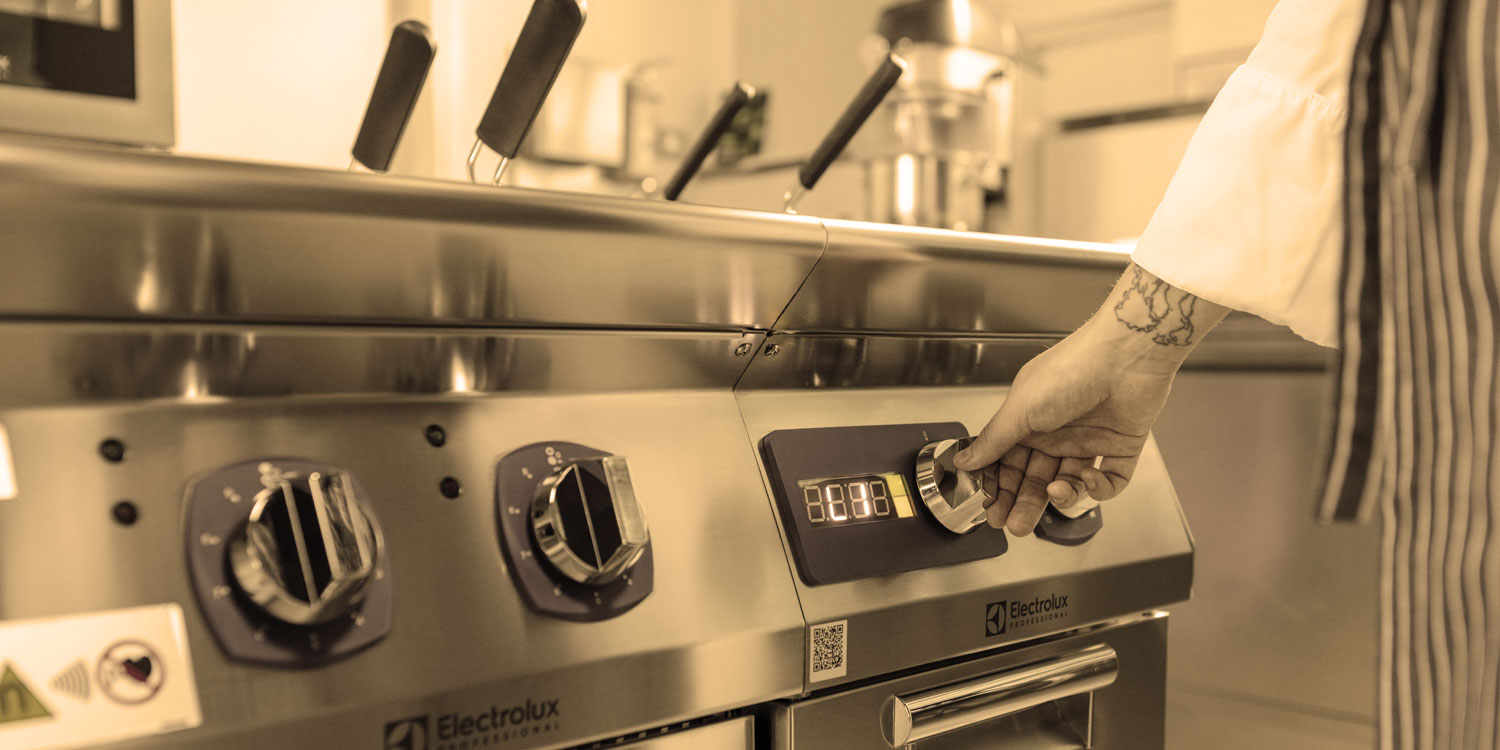
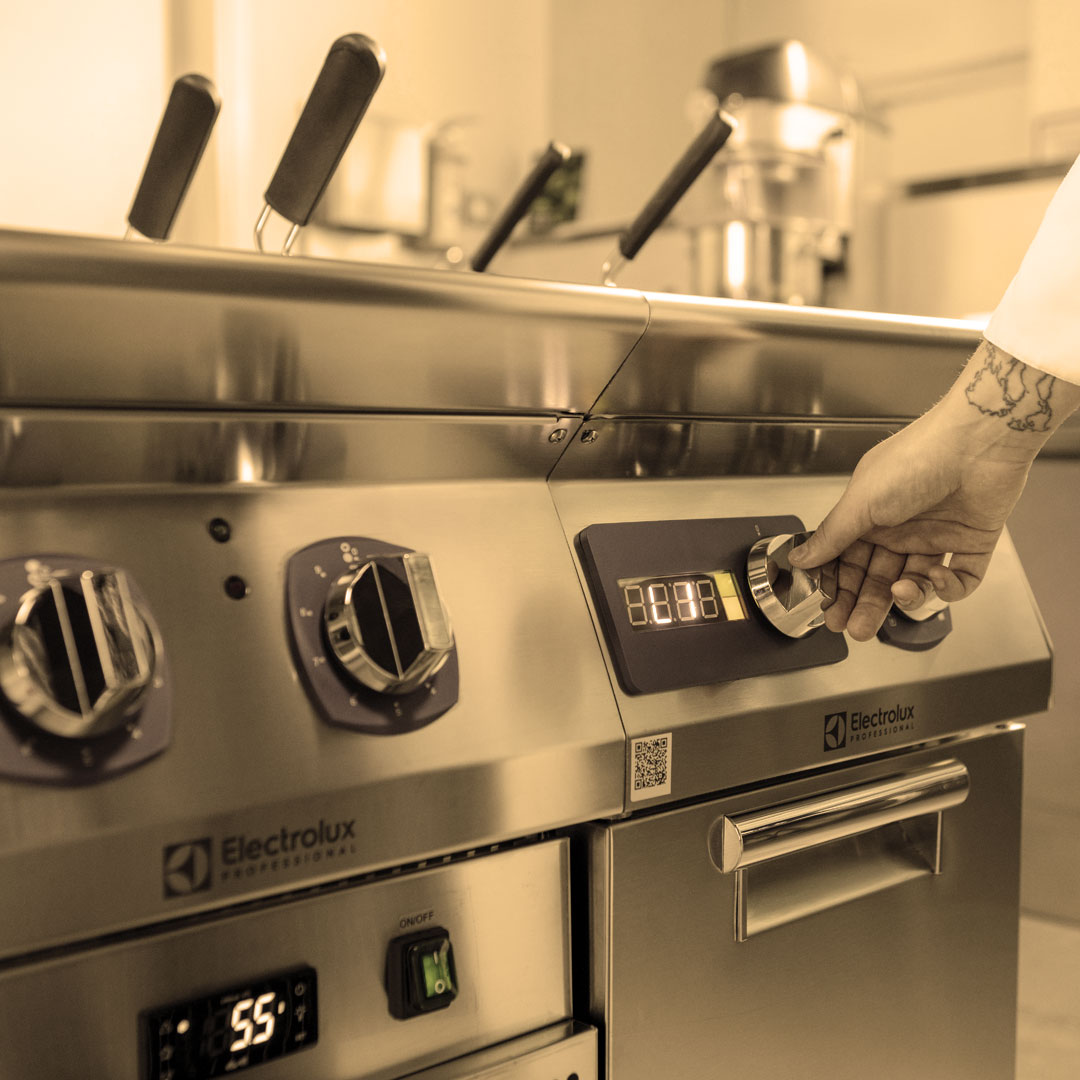
The Electrolux Professional cooking equipment range includes equipment for different cooking methods and production requirements, allowing cooking capacity to be considered as part of the overall kitchen configuration.
Look Beyond the Appliance Rating
Equipment specifications provide useful information, but capacity should always be considered in the context of how the kitchen operates. The amount an appliance can physically accommodate does not automatically represent the amount it can produce during a busy service.
For example, an oven may have sufficient space for a particular batch, but the required cooking time may mean that another batch cannot be ready quickly enough. Similarly, a cooking surface may appear large enough when viewed in isolation but become a bottleneck when several menu items need to be cooked at the same time.
This is where different cooking methods and equipment types can influence the overall balance of the kitchen. A menu may require a combination of roasting, steaming, grilling, frying and boiling, with each process competing for time and space in different ways.
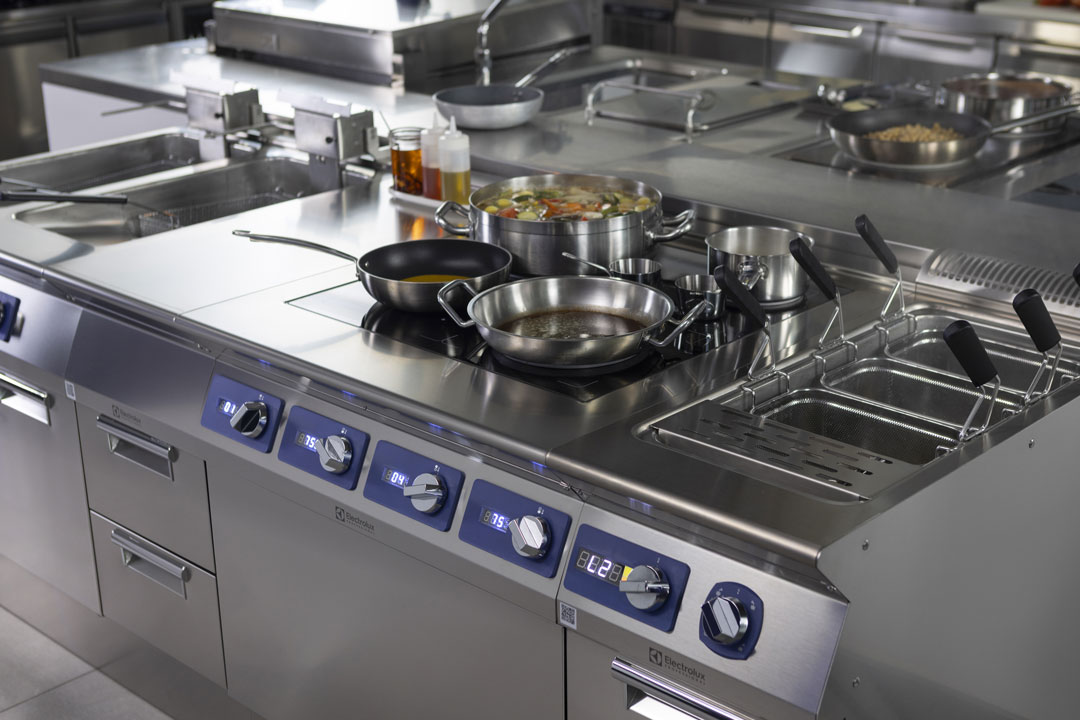
The Electrolux Professional 900XP is one example of a modular cooking platform that can be configured around the requirements of a professional kitchen, including operations where cooking capacity is a significant consideration.
Find the Bottleneck Before Adding More Equipment
When a kitchen struggles during peak service, the obvious response can be to add another appliance. That may solve the problem, but it is not always the most effective approach.
The first step is to identify where the delay actually occurs. If several dishes are waiting for the same cooking process, increasing capacity in that area may help. If the bottleneck occurs because food cannot be prepared quickly enough before it reaches the cooking line, additional cooking equipment may have little effect.
The same applies to holding, refrigeration and preparation. Cooking capacity only contributes to overall output if the rest of the kitchen can keep pace. A faster cooking process can simply move the bottleneck further along the workflow if preparation, storage or service cannot handle the additional production.
Peak service is where equipment capacity becomes real-world performance. The kitchen needs to produce what the menu demands, when the customer demands it.
Planning capacity therefore means looking at the complete production process rather than selecting equipment based on individual specifications. The objective is to understand where demand concentrates during service and make sure the cooking line has enough practical capacity to keep food moving.
For kitchens reviewing their cooking requirements, Eurotec Australia's commercial cooking equipment range provides options across different cooking methods and professional foodservice applications.
Designing for the Pressure Points in Service
The busiest period of service often provides the clearest picture of what a kitchen needs from its cooking equipment. Looking at production volumes, batch sizes, cooking times and menu combinations can help identify where capacity is likely to be tested.
The answer may be additional equipment, a different configuration or simply a better understanding of how existing equipment is being used. What matters is that the cooking line is specified around actual production requirements rather than average conditions.
Electrolux Professional provides modular cooking equipment for professional foodservice operations, while Eurotec Australia supports the specification process with equipment suited to different kitchen layouts, cooking methods and service requirements.