
Induction Cooking: Where It Makes Sense in a Modern Commercial Kitchen
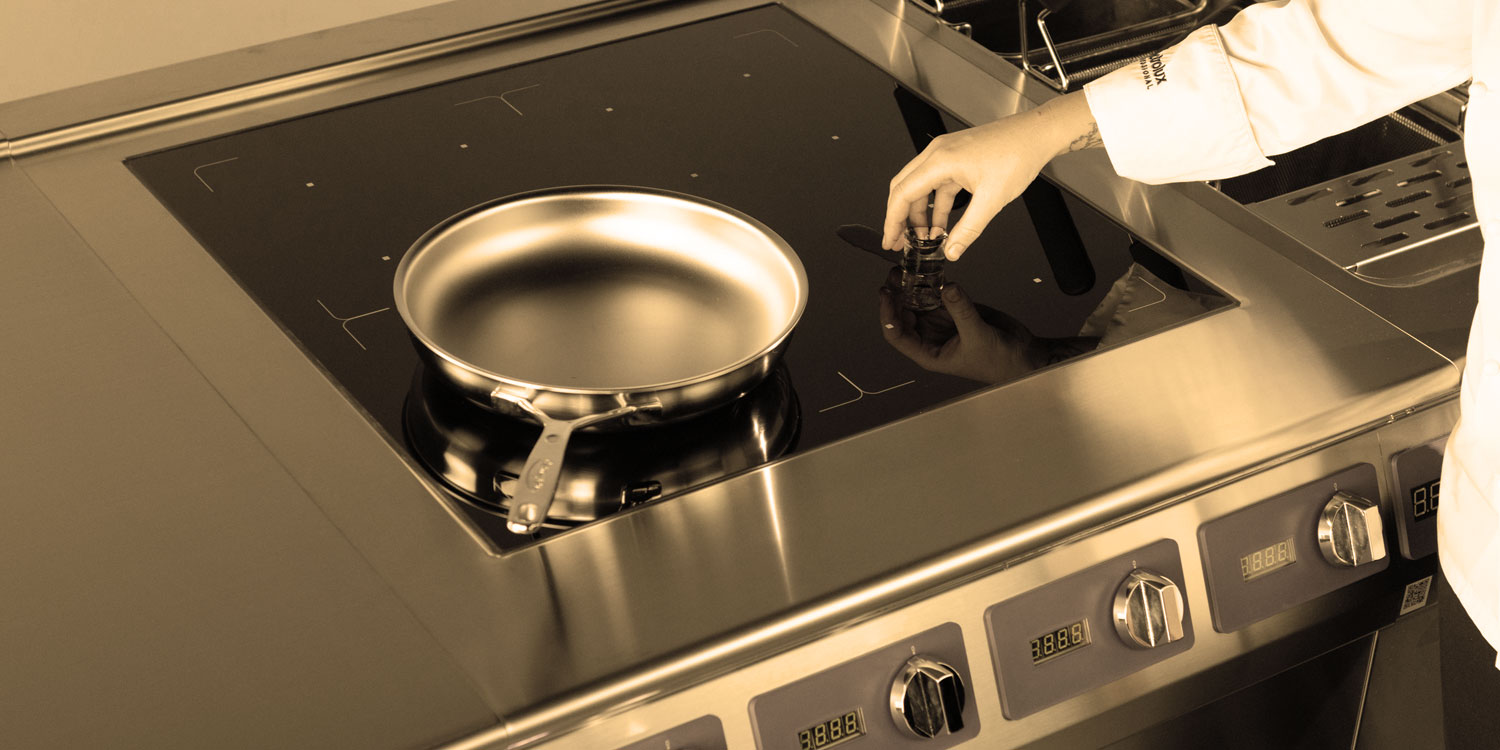
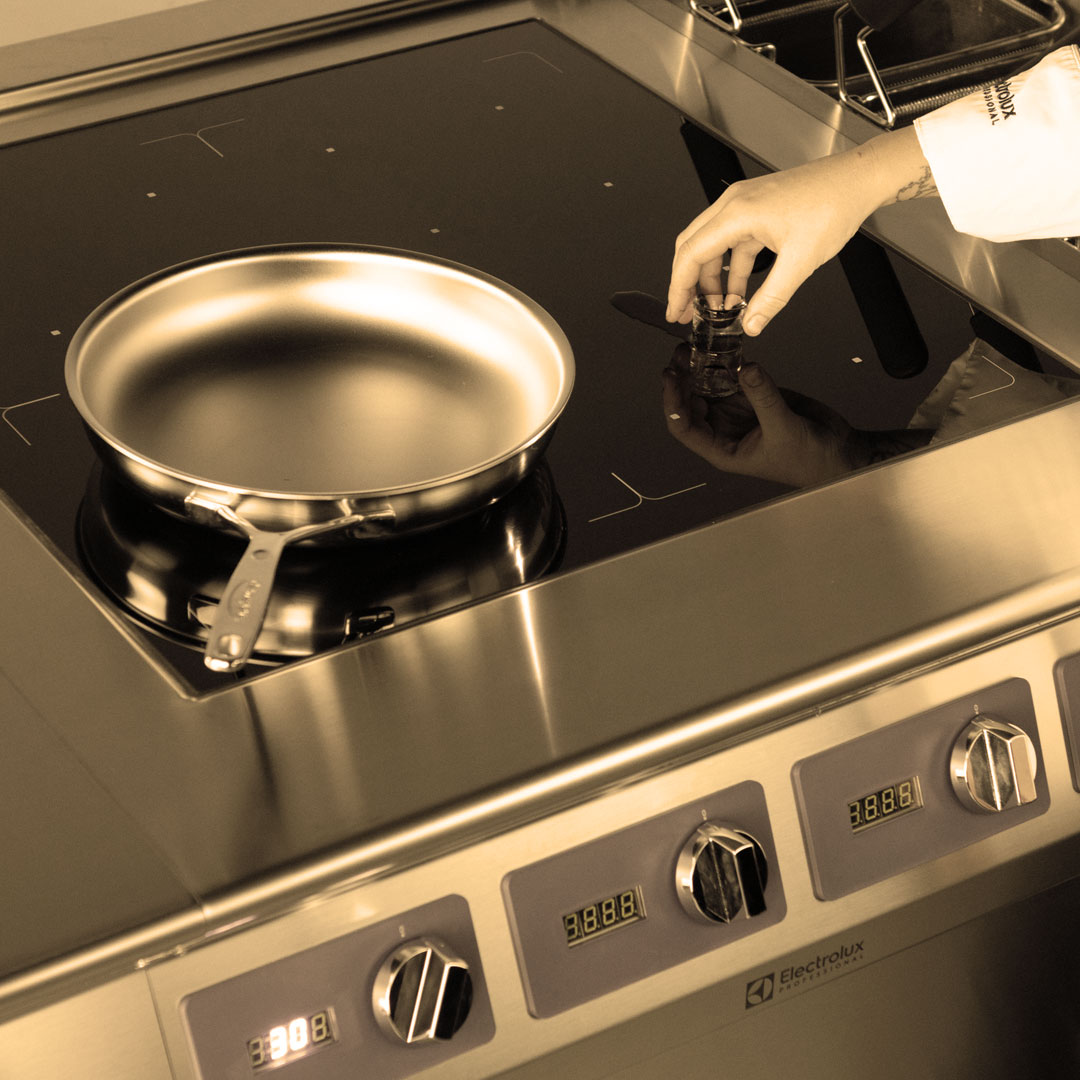
Induction cooking has become an established option in professional kitchens, but that does not mean it is automatically the right choice for every cooking application. The value of induction depends on what the kitchen needs to produce, how the cooking line is used and the environment in which the equipment operates.
For some kitchens, precise heat control and rapid response make induction particularly useful. For others, reduced heat dissipation, compact cooking modules or the ability to integrate induction into an existing cooking line may be more important. Understanding where these characteristics provide a practical benefit is a better starting point than simply comparing induction with other cooking technologies.
Where Induction Fits Best
Induction can be particularly useful for cooking tasks that require controlled and responsive heat. Boiling, simmering and sautéing are common applications, while the ability to adjust power progressively can also be useful when a cooking process needs to move between different heat levels.
This can make induction suitable for specific stations within a larger kitchen rather than necessarily replacing every other cooking method. A kitchen may use gas for high-output cooking while incorporating induction for sauce preparation, smaller pans or cooking tasks where precise control is particularly useful.
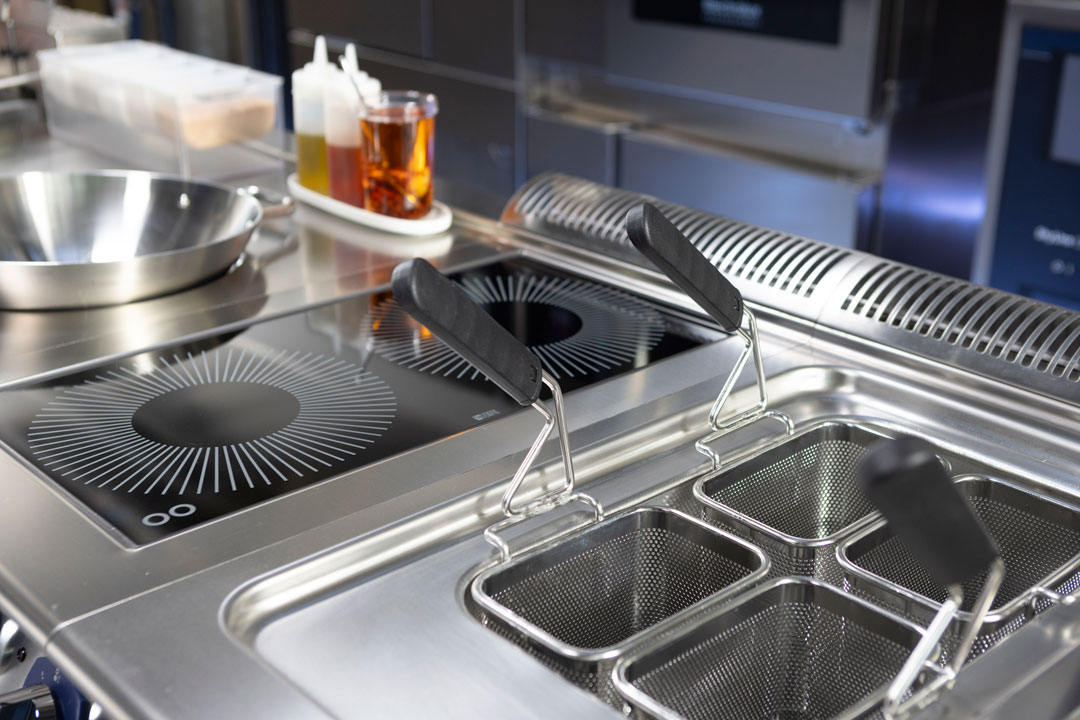
The physical configuration of the cooking equipment can also influence the decision. Electrolux Professional induction cooktops are available in modular formats, including 400 mm two-zone and 800 mm four-zone units, allowing induction to be incorporated alongside other cooking equipment within a professional cooking line. The range also includes induction wok units for applications requiring a dedicated wok cooking surface.
When Heat and Space Matter
The working environment around a cooking appliance can be just as important as its cooking performance. Induction transfers heat directly into compatible cookware rather than heating the cooking surface in the same way as conventional cooking methods. This means less heat is dissipated into the surrounding kitchen, which can be valuable in busy cooking areas.
This can be particularly relevant where several cooking stations operate close together or where available space makes it difficult to separate cooking equipment. A more compact cooking module can also allow designers to allocate space according to the actual requirements of the menu rather than relying on a standard configuration.
Cleaning is another practical advantage. The smooth glass ceramic surface on Electrolux Professional induction tops is easy to wipe down, with fewer raised elements and hard-to-reach areas around the cooking zones. Because the surface is not heated in the same way as a conventional hotplate, spills are less likely to bake onto the cook top, helping staff clean the area more quickly between tasks and at the end of service.
Choosing Induction for the Cooking Task
The strongest case for induction comes when its particular characteristics solve a genuine requirement within the kitchen. It may be selected for precise cooking control, a specific station, a compact layout or to reduce heat dissipation around the cooking line.
That does not mean induction needs to be specified throughout the kitchen. Different cooking methods can perform different roles, and a well-designed cooking line may combine induction with gas, electric, griddles, fryers, pasta cookers and other equipment according to the menu and service requirements.
Induction makes the most sense when its particular strengths solve a real problem in the way a kitchen cooks.
The Electrolux Professional XP Series provides this modular approach, with induction available alongside a broad range of gas and electric cooking equipment in both the 700XP and 900XP platforms. This allows induction to be considered as part of the overall cooking configuration rather than as an isolated technology choice.
For kitchens reviewing their cooking configuration, Eurotec Australia's commercial cooking equipment range provides options across different cooking methods and professional foodservice applications.
Making Induction Part of the Bigger Picture
Induction is most useful when it is selected for a clear operational reason. Precise heat control, responsive cooking, lower heat dissipation and modular installation can all make it valuable in the right commercial kitchen.
The decision should ultimately come back to the menu, the cooking tasks and the way the kitchen operates during service. In some kitchens induction may form a significant part of the cooking line, while in others it may be better suited to one or two specific applications.
Electrolux Professional offers induction equipment alongside a broader range of commercial cooking solutions, while Eurotec Australia supports equipment selection for professional foodservice environments across Australia. The important consideration is not whether induction is better than every other cooking method, but where it makes the most practical sense.