
Automation in Commercial Kitchens Explained
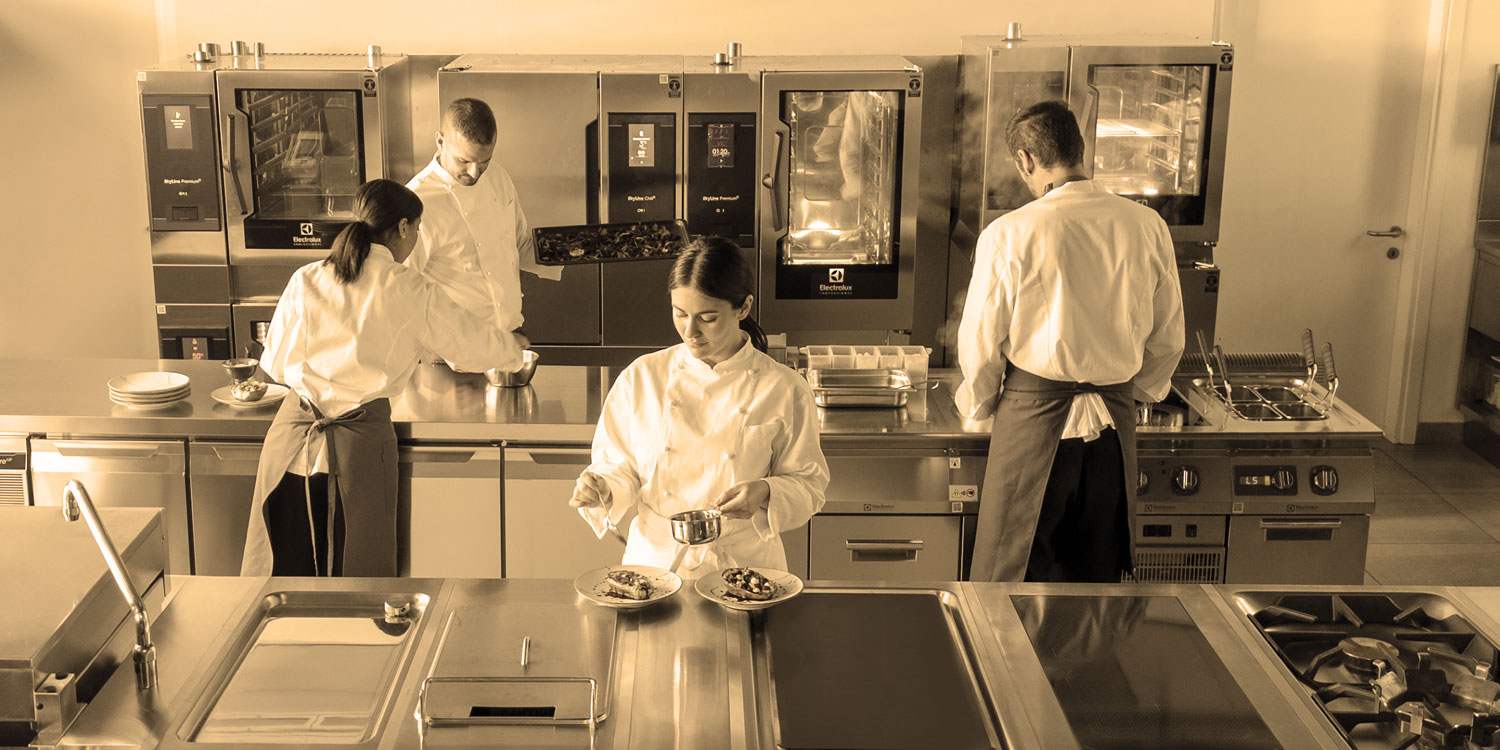
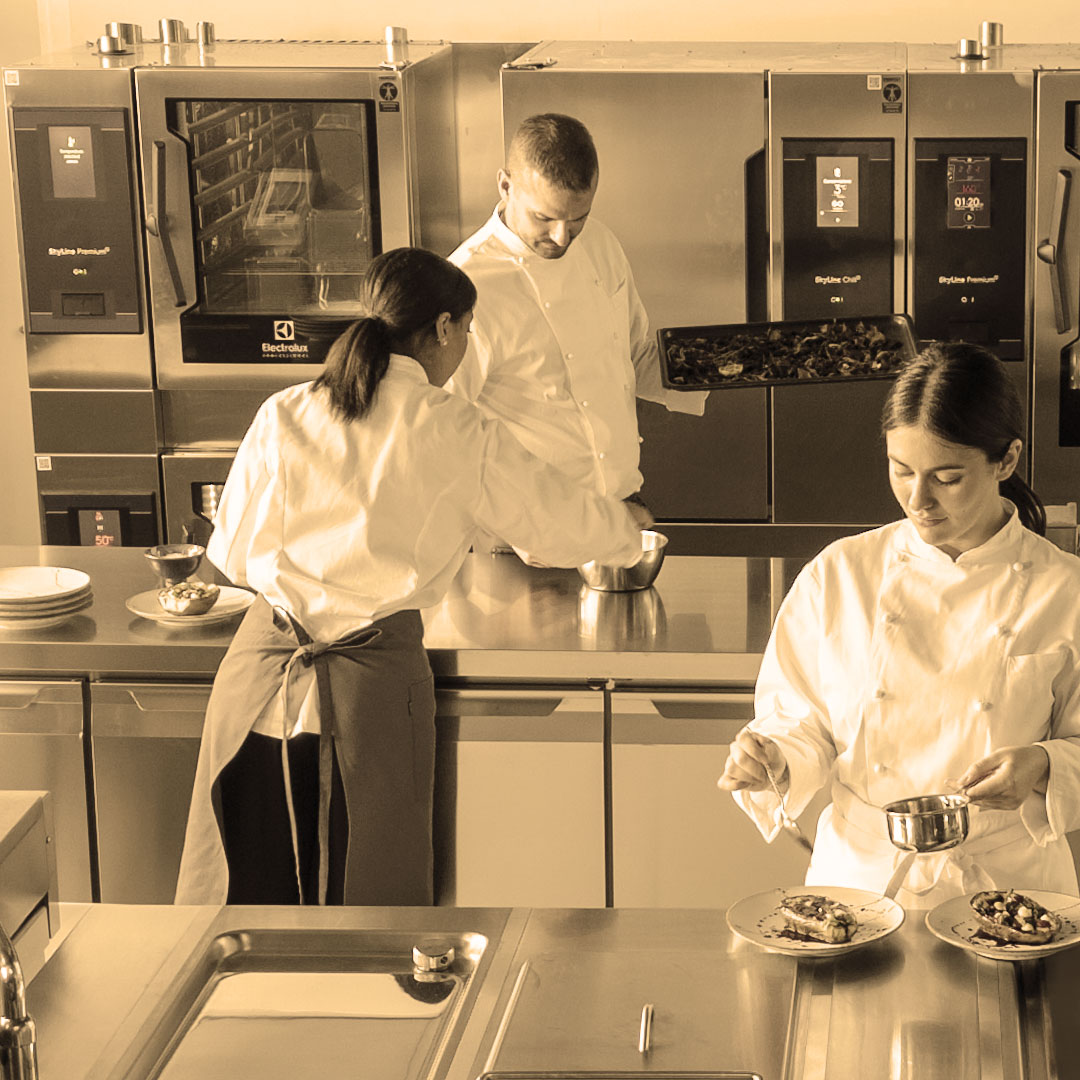
Automation in commercial kitchens is becoming increasingly important as operators look for ways to improve efficiency and maintain consistency. With ongoing labour challenges and rising operational costs, equipment that reduces manual input while maintaining output is now a priority.
Modern commercial kitchens are no longer reliant on manual processes alone. Equipment is designed to support structured workflows, reduce errors, and ensure consistent results across different operators and service periods.
Automation does not replace skilled staff. Instead, it supports them by simplifying processes and allowing teams to focus on preparation, presentation, and service.
How Automation Improves Kitchen Performance
Automation in cooking equipment allows operators to standardise processes that would otherwise depend on individual skill levels. Pre-programmed cooking cycles, temperature control, and humidity management all contribute to consistent output.
This is particularly valuable in high volume environments where maintaining quality across large batches can be challenging. Automated systems ensure that each product is cooked to the same standard, regardless of who is operating the equipment.
Manufacturers such as Electrolux Professional have developed solutions that integrate automation into everyday kitchen operations, helping reduce variability and improve reliability.
Supporting Workflow and Reducing Labour Pressure
Automation also plays a key role in improving workflow. By reducing the need for constant monitoring and manual adjustments, kitchen staff can manage multiple tasks more effectively during service.
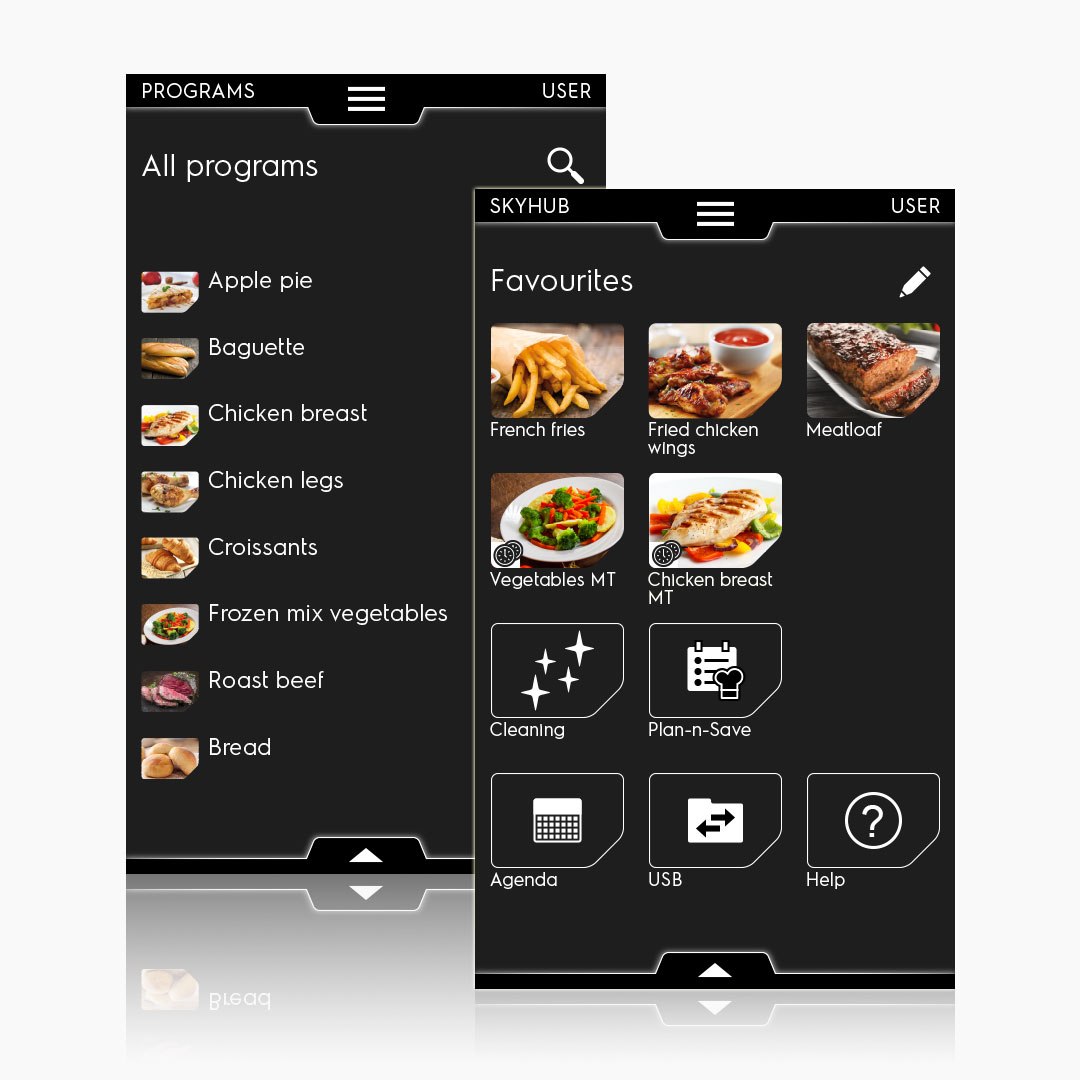
SkyLine combi ovens include automated cooking programs, guided user interfaces, and integrated cleaning systems. These features allow kitchens to operate more efficiently by reducing training requirements and ensuring consistent results across different shifts and teams.
This approach is particularly useful in environments with high staff turnover or varied skill levels, where consistency can otherwise be difficult to maintain.
The Role of Automation in Modern Kitchen Design
Automation should be considered during the kitchen design phase, not just at the equipment selection stage. Integrating automated equipment into the overall workflow ensures that kitchens can operate efficiently under different service conditions.
Equipment such as commercial combi ovens plays a central role in this approach, supporting structured cooking processes and reducing reliance on manual control.
Automation in commercial kitchens is about improving consistency and efficiency, while allowing skilled staff to focus on higher value tasks.
For operators looking to improve productivity and reduce operational pressure, automation provides a practical and scalable solution. With Electrolux Professional and Eurotec Australia, these systems are designed to support real kitchen environments without adding unnecessary complexity.