
Managing Heat and Ventilation in Commercial Kitchens
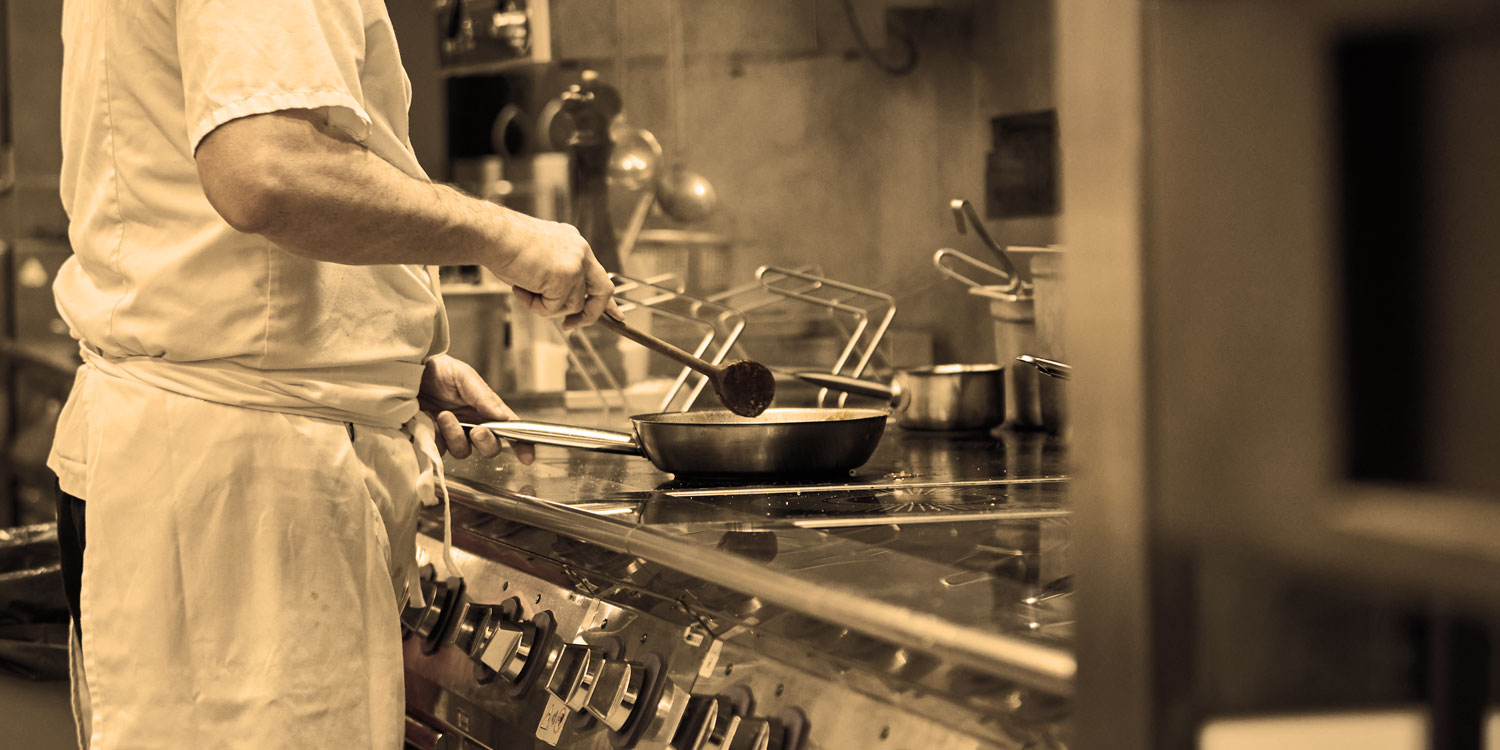
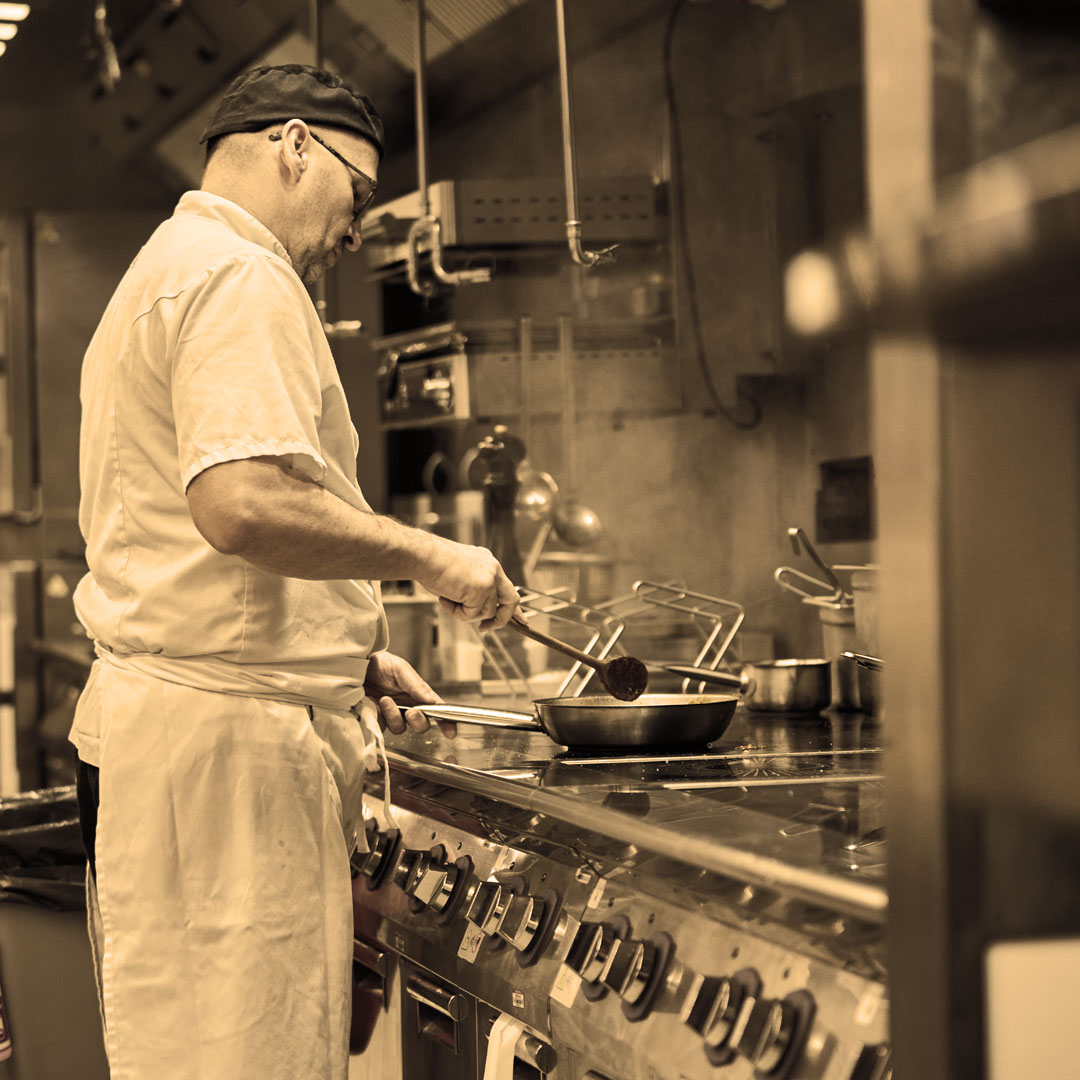
Heat management is one of the most overlooked challenges in commercial kitchen design. While cooking performance and production capacity are often prioritised, excessive ambient heat can significantly affect staff comfort, workflow efficiency, and overall operating costs.
In busy kitchens, heat build-up impacts more than just the working environment. It increases ventilation demand, places additional load on air conditioning systems, and can contribute to fatigue during peak service periods. This becomes particularly noticeable in enclosed kitchens or high production environments where multiple cooking appliances are operating continuously throughout service.
As hospitality venues continue focusing on efficiency and staff retention, reducing unnecessary heat within the kitchen is becoming a more important part of equipment selection and kitchen planning.
The Relationship Between Cooking Equipment and Heat Load
Traditional gas cooking equipment generates large amounts of radiant heat, much of which escapes into the surrounding kitchen environment rather than being transferred directly into cookware. During long service periods, this can quickly raise ambient kitchen temperatures and place additional strain on extraction systems.
Induction cooking works differently. Heat is generated directly within the cookware itself, reducing wasted ambient heat and improving energy transfer efficiency. This creates a more controlled cooking environment while also reducing unnecessary heat build-up throughout the kitchen.
Commercial induction cooking systems are increasingly being specified in modern kitchens because they support both energy efficiency and improved working conditions. Reduced radiant heat also helps maintain a more comfortable environment for staff during busy service periods.
This becomes particularly valuable in open kitchens, compact production spaces, and venues operating extended service hours.
Supporting Ventilation Efficiency Through Equipment Design
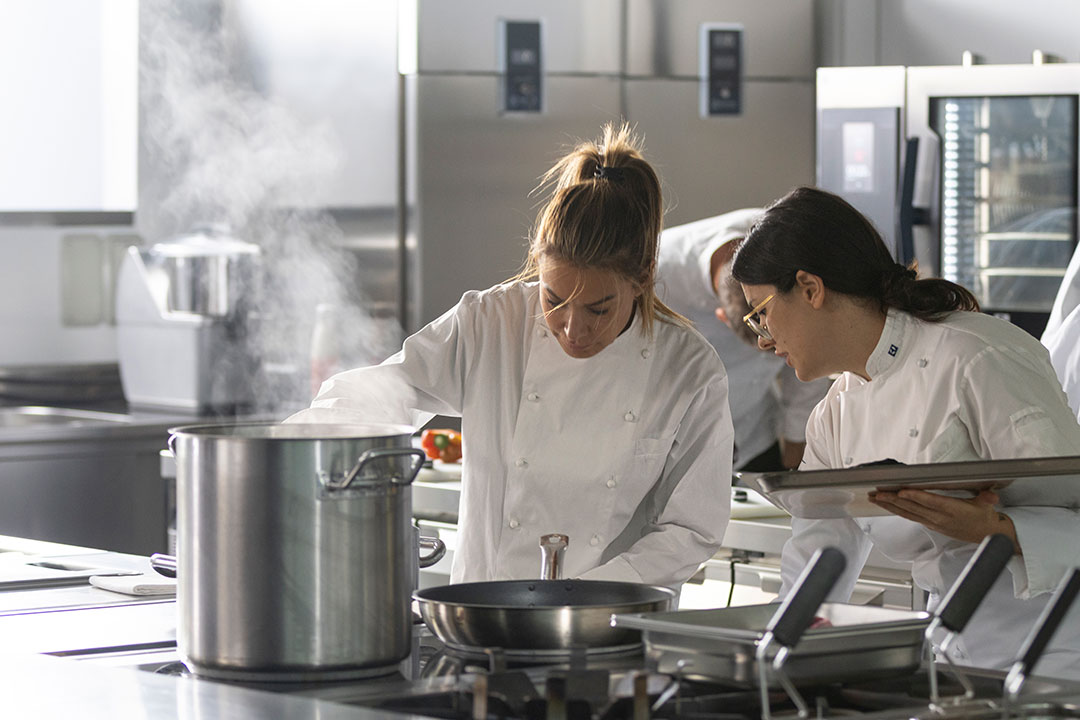
Ventilation systems play a critical role in maintaining safe and efficient kitchen operations. However, the effectiveness of these systems is heavily influenced by the type of equipment operating underneath them.
Equipment that produces excessive heat and combustion by-products requires greater extraction capacity, increasing both installation complexity and ongoing energy consumption. In contrast, more efficient cooking technologies can help reduce the overall ventilation load placed on the kitchen.
Electrolux Professional XP Series cooking equipment is designed with workflow and efficiency in mind, allowing operators to configure kitchens that better manage heat output and service demands. Combined with induction cooking and multi-function ovens, this can contribute to a more balanced and manageable kitchen environment.
Rather than simply extracting more heat, many modern kitchen designs now focus on reducing unnecessary heat generation in the first place.
Designing Kitchens for Long Term Operational Comfort
Heat management should not be treated as an afterthought during kitchen planning. Poorly managed kitchen environments can contribute to staff fatigue, reduced productivity, and increased pressure during peak service periods.
Efficient kitchen layouts, properly selected cooking equipment, and balanced ventilation systems all contribute to a more stable working environment. This becomes increasingly important as hospitality operators continue navigating labour shortages and staff retention challenges across Australia.
Pairing modern cooking systems with commercial combi ovens also allows kitchens to consolidate multiple cooking processes into fewer appliances, reducing overall heat generation and improving workflow efficiency.
In many commercial kitchens, improving operational comfort starts with reducing unnecessary heat generation rather than simply increasing ventilation capacity.
For operators planning new kitchens or reviewing existing setups, heat management is becoming an increasingly important consideration alongside cooking performance and production capability. With Electrolux Professional and Eurotec Australia, kitchens can implement solutions designed to support both operational efficiency and long term workplace comfort.