
Energy Efficiency in Modern Commercial Kitchens
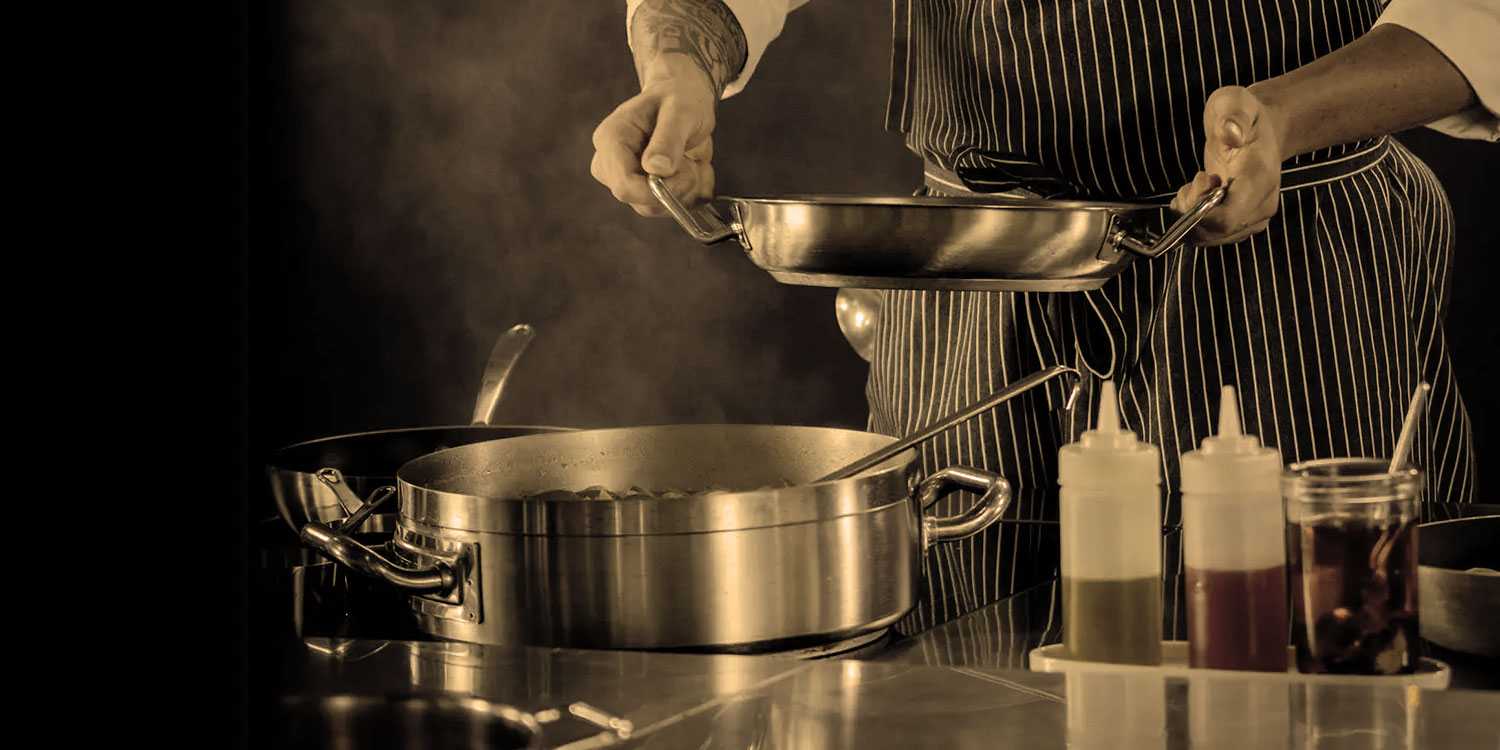
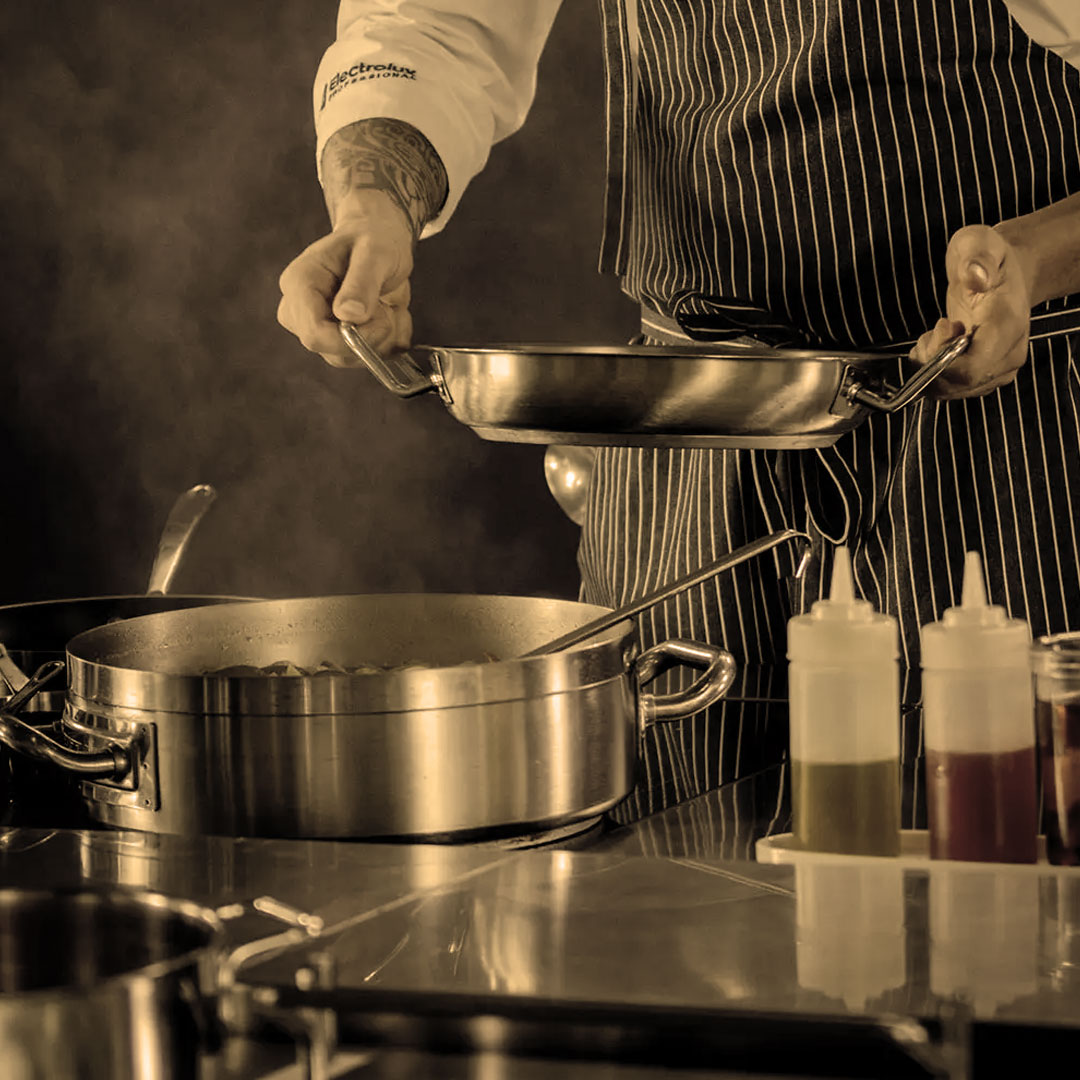
Energy efficiency in modern commercial kitchens is no longer just a sustainability initiative. It is now a practical operational consideration that directly impacts running costs, heat load, and kitchen workflow. With rising energy prices and increased focus on operational efficiency, hospitality operators are reviewing how equipment choices influence long term performance.
Modern cooking technology, improved insulation, and smarter control systems are helping commercial kitchens reduce energy consumption without compromising output. From induction cooking to advanced combi ovens, equipment is designed to deliver consistent results while using energy more effectively.
For consultants and operators, selecting energy efficient commercial kitchen equipment during the design phase can significantly reduce operating costs and improve working conditions. This is particularly relevant in high volume kitchens where cooking equipment runs continuously throughout service.
The Role of Equipment Technology in Energy Efficiency
Advances in commercial cooking technology are playing a key role in improving kitchen energy efficiency. Induction cooking, high efficiency gas burners, and intelligent combi ovens allow operators to control heat more precisely and reduce wasted energy.
Induction cooking is one of the most effective solutions available. By transferring energy directly into the cookware, induction systems minimise heat loss and improve response time. This reduces ambient heat in the kitchen, lowers ventilation requirements, and creates a more comfortable working environment.
Manufacturers such as Electrolux Professional continue to invest in technologies that improve performance while reducing energy consumption. This includes advanced insulation, automatic standby modes, and programmable cooking cycles that optimise power usage during quieter periods.
Beyond cooking equipment, refrigeration and ware washing systems are also becoming more energy efficient. Variable speed compressors, improved door seals, and heat recovery systems all contribute to reducing overall kitchen energy demand.
Induction Cooking and Efficient Workflow
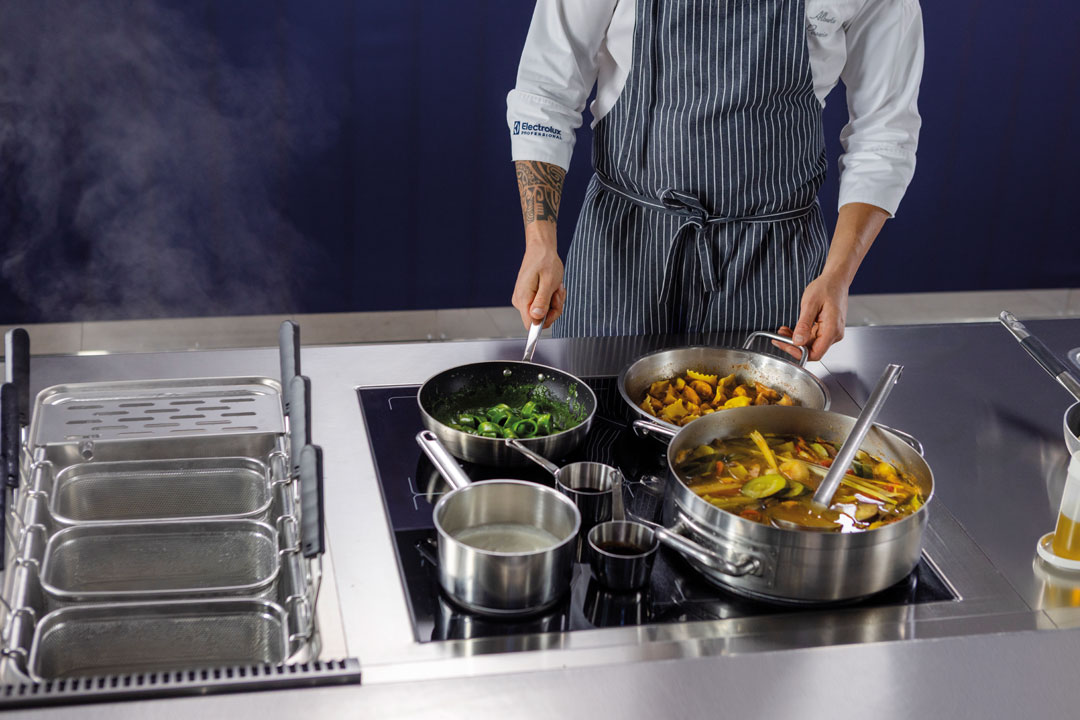
Induction cooking not only reduces energy consumption but also improves workflow and consistency in busy kitchens. Faster heat up times allow chefs to respond quickly during service, while precise temperature control reduces the risk of overcooking or energy waste.
In modular cooking suites, induction zones can be integrated alongside traditional equipment, allowing kitchens to balance flexibility and efficiency. This is particularly useful in operations that require multiple cooking techniques within a limited footprint.
Commercial induction cookers offer several operational advantages including direct energy transfer for improved efficiency, reduced ambient heat in the kitchen, faster heat up and recovery times, precise temperature control for consistency, and improved safety due to cooler cooking surfaces.
These benefits support both energy savings and better workflow. Reduced heat output also lessens the load on extraction systems, which can further reduce electricity consumption across the kitchen.
Designing for Long Term Energy Savings
Energy efficiency should be considered at the design stage, not just when selecting individual pieces of equipment. Layout, workflow, and equipment placement all influence how efficiently a kitchen operates.
Grouping high output cooking equipment together can improve ventilation performance, while positioning refrigeration away from heat sources reduces compressor workload. Selecting modular cooking suites such as the Electrolux Professional XP Series also allows kitchens to scale capacity without installing oversized equipment.
Smart control systems are another important factor. Programmable timers, standby modes, and automatic shut off functions help reduce unnecessary energy use during quieter periods. These features are particularly valuable in operations with varied service times such as hotels, healthcare facilities, and catering kitchens.
Energy efficient equipment is not only about reducing power consumption. It also improves kitchen comfort, supports consistent cooking results, and contributes to lower long term operating costs.
By combining efficient equipment with thoughtful kitchen design, operators can achieve measurable energy savings while maintaining productivity and food quality.
Modern kitchens that prioritise energy efficiency benefit from reduced running costs, improved working conditions, and more sustainable operations. With support from Electrolux Professional and Eurotec Australia, hospitality operators can implement equipment solutions that deliver both performance and efficiency without compromising flexibility.