
SkyLine Combi Oven Models Explained
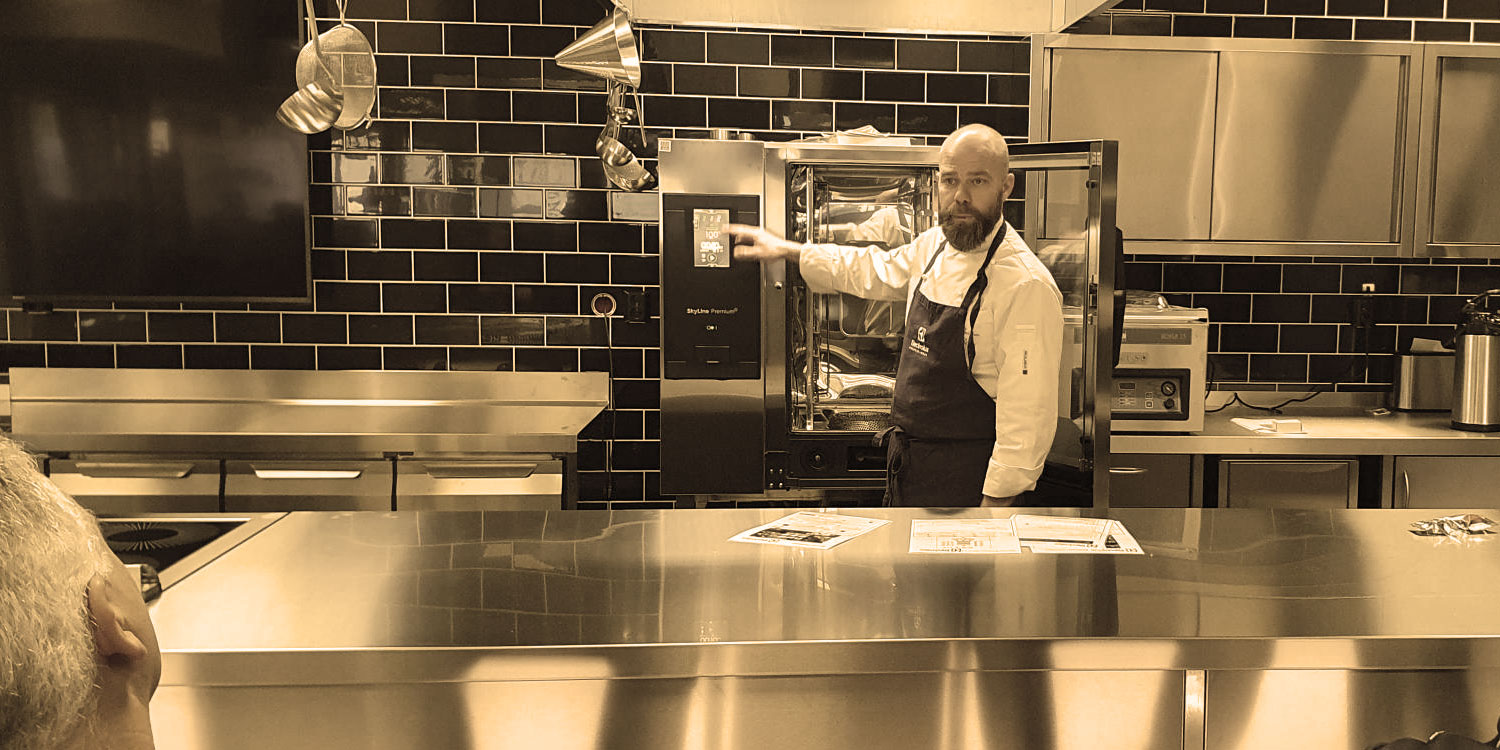
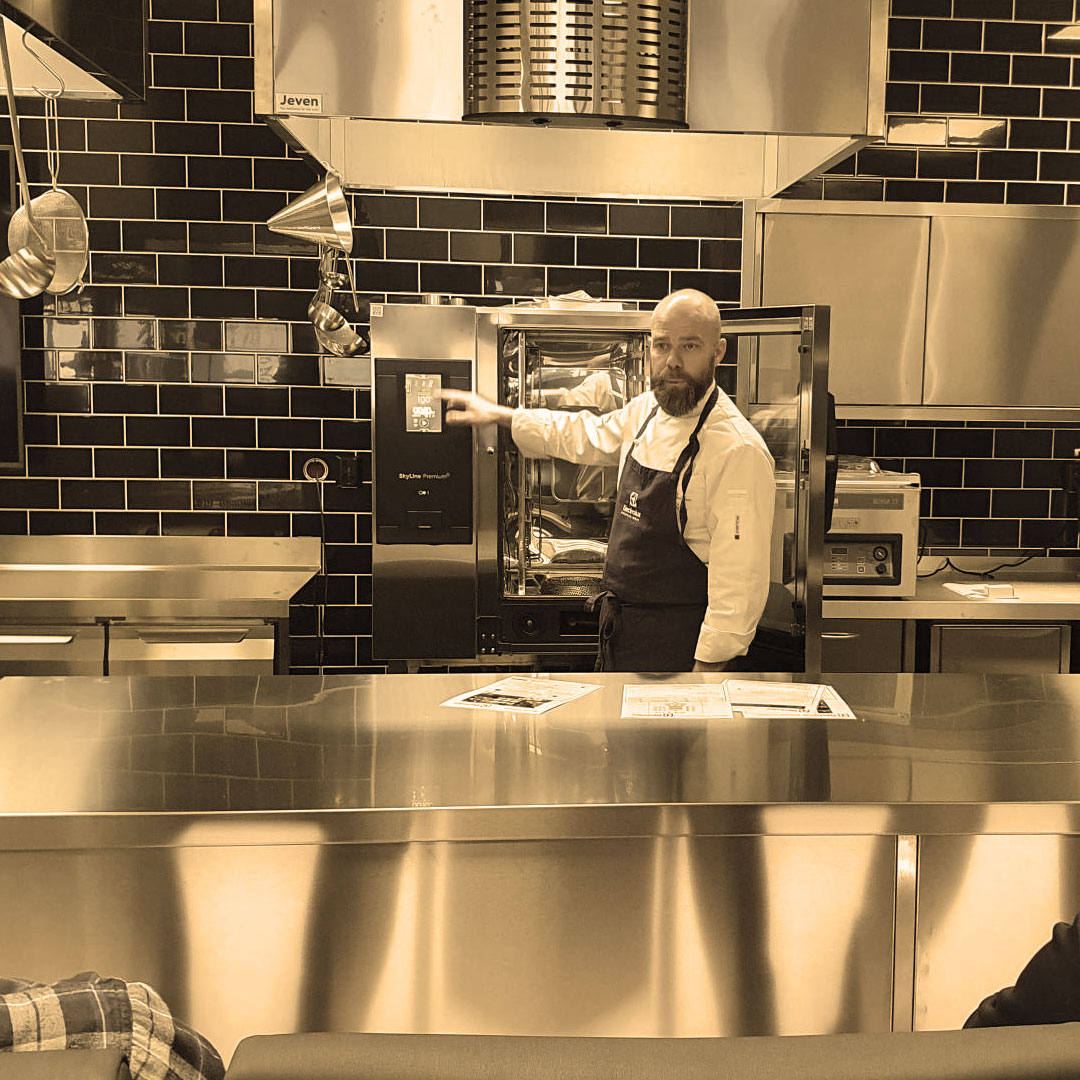
Selecting the right combi oven model is an important decision that affects kitchen performance, workflow, and long term efficiency. The Electrolux Professional SkyLine range includes multiple models designed to suit different operational requirements, from high volume production kitchens to more flexible service environments.
Understanding the differences between these models allows consultants and operators to specify equipment that aligns with menu requirements, service style, and staff capability. While the units share a common platform, the key differences come down to how steam is generated and how the oven is controlled.
These factors have a direct impact on performance, usability, and overall efficiency in the kitchen.
Steam Generation and Cooking Performance
One of the main differences across the SkyLine range is the way steam is produced. Premium and PremiumS models use a boiler based system that generates large volumes of steam. This allows the oven to maintain consistent steam levels over long cooking periods, making these models well suited to operations where steaming is a primary cooking method.
This type of system is commonly used in high volume environments such as healthcare, aged care, and large scale catering, where continuous steam production is required throughout service. The ability to maintain stable steam conditions supports consistent results and efficient batch cooking.
In contrast, Pro and ProS models use a direct steam injection system. Water is introduced directly onto the heating elements to create steam as required. This method is more suited to kitchens with a varied menu, where steam is used intermittently rather than continuously.
SkyLine combi ovens are designed so that both systems deliver reliable performance, but selecting the right type depends on how the kitchen operates on a daily basis.
Control Systems and Ease of Use
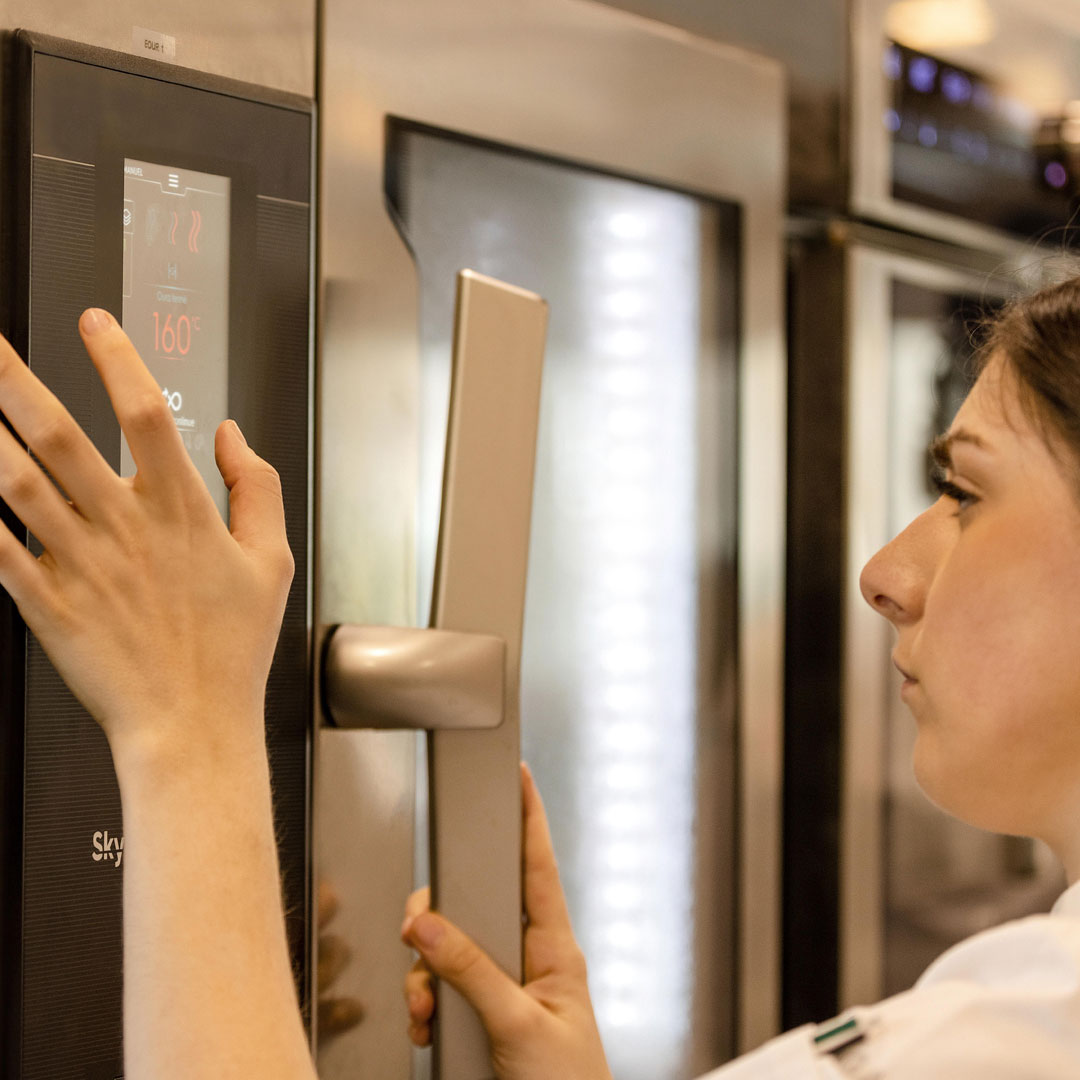
Another key distinction is the control interface. The “S” models within the range, including ProS and PremiumS, feature touchscreen controls. These interfaces are designed to simplify operation by allowing users to select pre-programmed cooking cycles with minimal input.
Touchscreen controls are particularly suited to environments where consistency across multiple operators is important. In multi site operations or kitchens with varying staff experience levels, this approach allows cooking parameters to be set in advance, ensuring that each dish is prepared the same way every time.
Electrolux Professional has developed these systems to support ease of use without compromising performance, making them a practical solution for structured kitchen environments.
In comparison, the Pro and Premium models without the “S” designation use a digital control interface. This style of control provides a more hands on approach, allowing experienced chefs to adjust cooking parameters in detail throughout the process. It is often preferred in kitchens where skilled operators want greater control over specific cooking techniques.
Selecting the Right Model for Your Kitchen
Choosing the right SkyLine model comes down to understanding how the kitchen operates. Kitchens that rely heavily on steaming and require continuous output will benefit from boiler based systems, while more flexible environments may be better suited to direct injection models.
The choice of control system is equally important. Touchscreen models support consistency and ease of use, particularly in larger teams, while digital controls provide flexibility for experienced chefs who prefer a more manual approach.
Integration with other equipment should also be considered. Pairing combi ovens with systems such as commercial blast chiller freezers helps create a more efficient workflow from preparation through to service.
The key to selecting the right combi oven is understanding how it will be used day to day, from cooking methods through to staff interaction and service demands.
With support from Electrolux Professional and Eurotec Australia, operators can select a SkyLine model that aligns with both operational requirements and long term kitchen strategy.