
What Is a Combi Oven and How Does It Work


Combi ovens are now a standard feature in modern commercial kitchens, offering a level of flexibility and efficiency that traditional cooking equipment cannot match. For hospitality operators, understanding how a combi oven works is essential when planning new kitchens or upgrading existing equipment.
A combi oven combines three cooking methods in one unit. Convection heat, steam, and a combination of both. This allows chefs to cook a wide range of menu items using a single piece of equipment, improving workflow and reducing the need for multiple appliances.
As kitchens continue to focus on consistency, speed, and cost control, combi ovens have become a key solution across restaurants, hotels, healthcare, and catering environments.
Understanding the Core Cooking Modes
The key to a combi oven’s versatility is its ability to switch between cooking modes depending on the product being prepared. Convection mode uses dry heat for roasting and baking, steam mode is ideal for vegetables, seafood, and delicate items, while combi mode balances heat and moisture for consistent results.
This level of control allows operators to maintain food quality across large volumes while reducing the risk of overcooking or drying out products. It also supports more efficient batch cooking, which is essential in high demand environments.
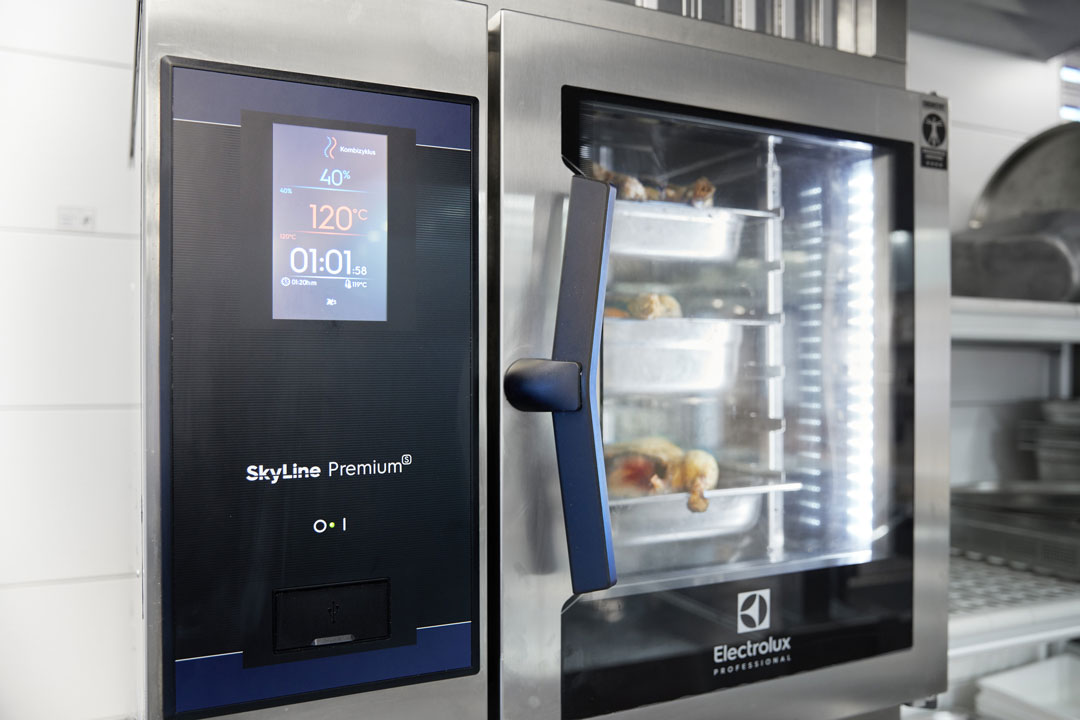
Manufacturers such as Electrolux Professional have developed advanced combi ovens that use intelligent sensors and automation to optimise these cooking modes. This reduces manual input and helps standardise results across different operators and locations.
Why Combi Ovens Improve Kitchen Efficiency
One of the main advantages of combi ovens is their ability to replace multiple pieces of equipment. A single unit can handle roasting, steaming, baking, regeneration, and more, reducing the overall footprint of the kitchen.
SkyLine combi ovens are designed to support efficient kitchen operations by combining multiple functions with precise control and automation. This includes the ability to deliver consistent cooking results across different operators, improve batch cooking capability, and reduce overall energy and water consumption. These benefits also support greater menu flexibility, allowing kitchens to respond to changing service demands without additional equipment.
These advantages are particularly valuable in high volume kitchens where efficiency and consistency directly impact service speed and customer satisfaction.
The Role of Combi Ovens in Modern Kitchen Design
When designing a commercial kitchen, combi ovens are often positioned as the central cooking appliance. Their versatility allows kitchens to simplify layouts while maintaining the ability to deliver a wide range of menu items.
They also support modern cooking methods such as low temperature cooking and regeneration, which are increasingly used in large scale operations. This helps reduce food waste and improve yield while maintaining quality.
Commercial cooking ranges are still important in many kitchens, but combi ovens provide an additional level of control and efficiency that complements traditional cooking equipment.
A combi oven is not just a piece of equipment. It is a central part of a modern kitchen strategy focused on consistency, efficiency, and operational control.
For operators looking to improve kitchen performance, combi ovens represent a practical investment that supports both daily operations and long term growth. With Electrolux Professional and Eurotec Australia, kitchens can implement equipment that delivers reliable results across every service.