
Designing Kitchen Workflow to Reduce Labour Pressure
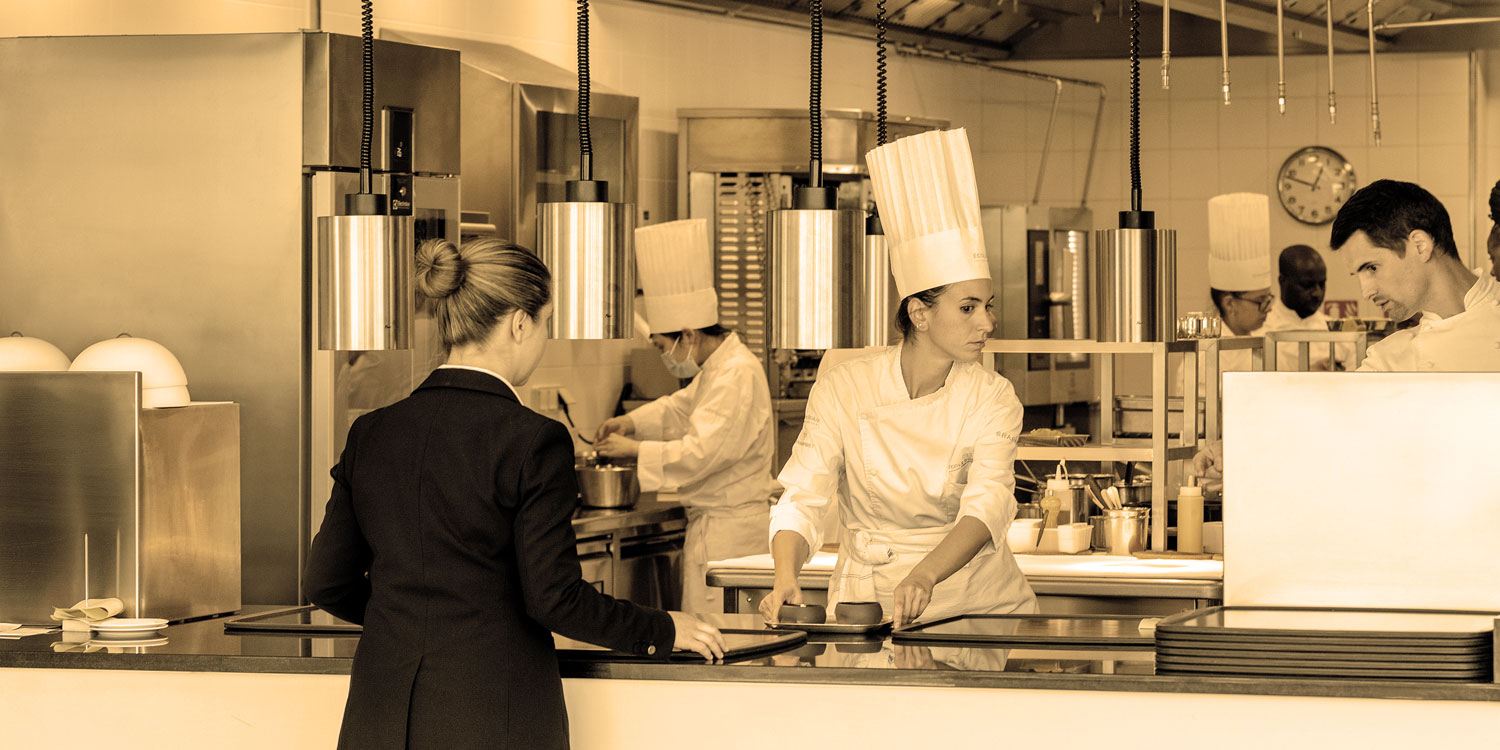
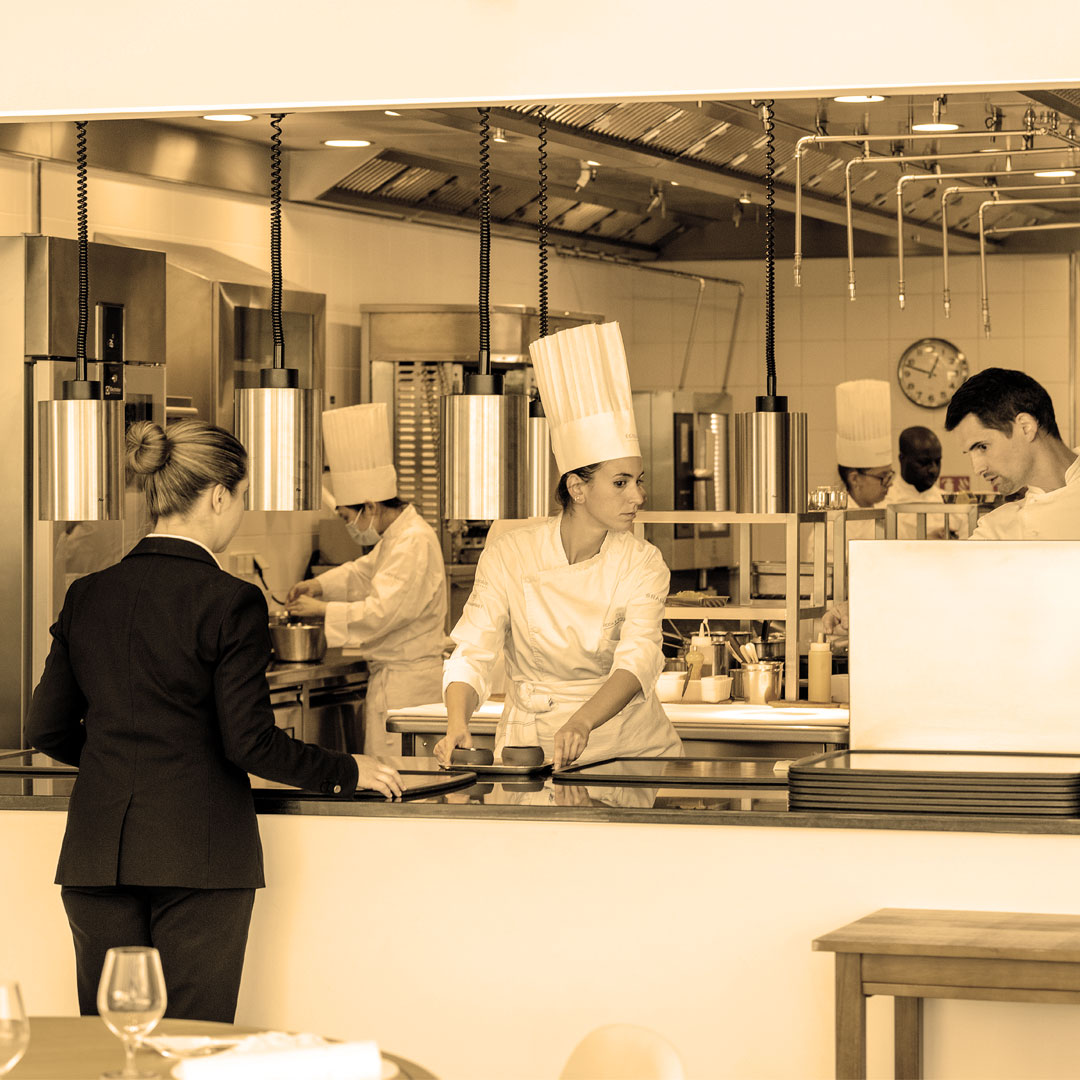
Labour challenges continue to affect hospitality businesses across Australia. While recruitment and retention remain ongoing concerns, many operators are also looking at another part of the equation: how efficiently their kitchens are designed to operate with the team they already have.
In many cases, labour pressure is not simply a staffing issue. It is often the result of inefficient workflows, unnecessary movement, duplicated tasks, and equipment layouts that create bottlenecks during service. Even experienced teams can struggle when the kitchen itself works against them.
A well-designed workflow helps staff move efficiently from preparation through to service, reducing wasted time and allowing kitchens to maintain productivity without increasing labour requirements.
Identifying Common Workflow Bottlenecks
Many kitchen inefficiencies develop gradually over time. Equipment may have been added as menus evolved, workstations may have been relocated, or production processes may have changed without a corresponding review of kitchen layout.
The result is often a kitchen where staff spend significant time walking between stations, waiting for equipment availability, or handling products multiple times before service. These small inefficiencies can accumulate quickly, particularly during busy periods.
One common example is separating key production equipment across different areas of the kitchen. When preparation, cooking, holding, and plating stations are disconnected, staff movement increases and workflow becomes less predictable.
Reviewing how products move through the kitchen often reveals opportunities to simplify processes and reduce unnecessary handling.
Using Multi-Function Equipment to Streamline Production
Modern kitchen design increasingly focuses on reducing the number of steps required to complete common tasks. Multi-function equipment plays an important role in this approach by allowing several cooking processes to take place within a single system.
Rather than moving products between separate pieces of equipment for steaming, roasting, regeneration, and finishing, operators can often complete multiple stages of production within a single cooking platform.
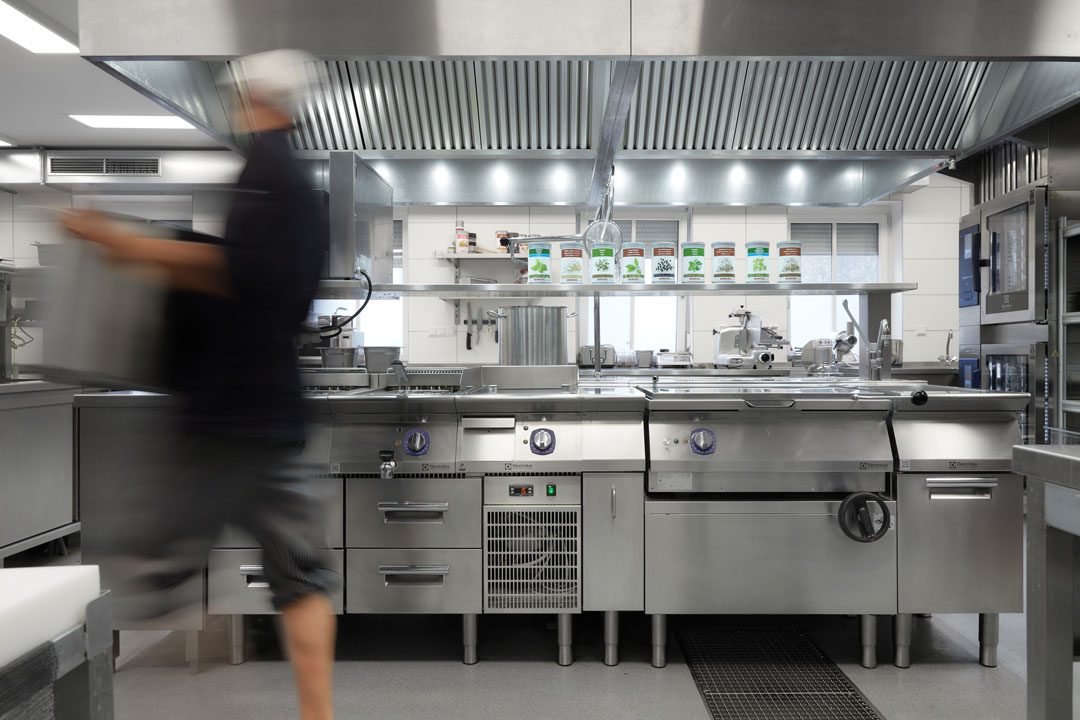
Electrolux Professional SkyLine combi ovens support this approach by combining multiple cooking functions into one unit. This can reduce handling requirements, improve consistency, and free up valuable kitchen space.
Similarly, Electrolux Professional XP Series cooking suites allow kitchens to configure cooking stations around their specific workflow requirements, creating more efficient production lines and reducing congestion during service.
By reducing the number of steps involved in food production, kitchens can often improve output without increasing staffing levels.
Planning Kitchens Around People and Process
The most effective kitchen layouts are designed around how staff actually work rather than simply where equipment can fit. Understanding the movement of ingredients, cookware, and finished dishes through the kitchen helps create a more logical and productive environment.
This extends beyond cooking equipment. Refrigeration, warewashing, storage, and preparation areas all influence workflow efficiency. Positioning these systems appropriately can significantly reduce unnecessary movement throughout the day.
For example, integrating commercial refrigeration systems closer to preparation and cooking areas can help streamline production while reducing interruptions during service.
The most productive kitchens are not always the largest. They are often the kitchens where equipment, workflow, and staff movement have been carefully considered as part of a complete operating system.
As labour pressures continue across the hospitality industry, many operators are finding that workflow improvements can deliver significant operational benefits without requiring major increases in staffing. With Electrolux Professional and Eurotec Australia, kitchen design can be approached as a practical tool for improving both efficiency and long-term operational performance.